07 June 2026
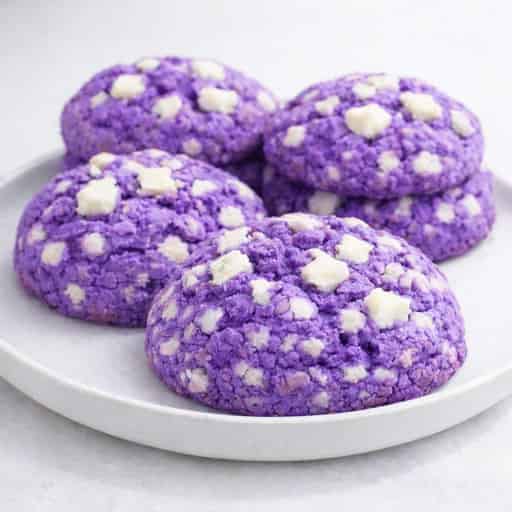
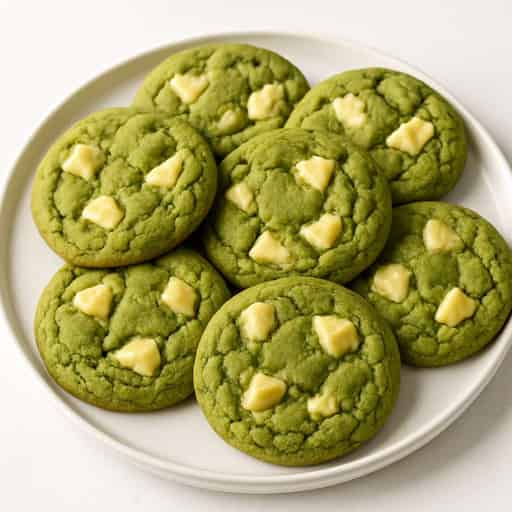
Buko Pandan Levain-Style Cookies (Ultra Soft + Chewy)
RecipeShare Test Kitchen
5.0(3 ratings)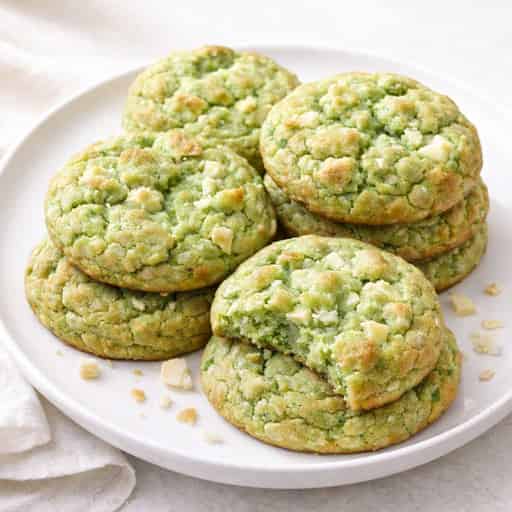
Ultra-soft, chewy buko pandan levain-style cookies with pandan extract, yogurt, and rehydrated coconut for bakery-style texture using simple UK pantry ingredients.
Prep time
20 min
Cook time
12 min
Total time
2 hr 32 min
Servings
12
Chef's Tips
Rehydrate desiccated coconut with hot milk for a softer, juicier bite.
Chill the dough at least 2 hours so the cookies stay thick and chewy.
Bake until the edges are just set; the center should still look soft.
For greener color, add pandan extract in small increments to avoid bitterness.
Tools Used
Mixing Bowls(opens in a new tab)Whisk(opens in a new tab)Rubber Spatula(opens in a new tab)Kitchen Scale(opens in a new tab)Baking Tray(opens in a new tab)Parchment Paper(opens in a new tab)Oven
We use affiliate links, which may earn us a small commission at no extra cost to you.
Ingredients
Ingredients
Servings
12 servings1×
Scale
Ingredient amounts update instantly.
Coconut Soak
Cookie Dough
Instructions
Coconut Soak
- 1
Stir the desiccated coconut and hot milk together in a small bowl.
- 2
Let it sit for 10 minutes so the coconut softens and absorbs moisture.
Make the Dough
- 1
In a large bowl, whisk melted butter, light brown sugar, and caster sugar until glossy and smooth.
- 2
Whisk in plain yogurt, milk, egg yolk, vanilla extract, and pandan extract until fully combined.
- 3
Add plain flour, cornflour, bicarbonate of soda, and salt. Fold gently with a spatula until no dry streaks remain.
- 4
Fold in the soaked coconut and optional white chocolate just until evenly distributed.
Chill and Shape
- 1
Cover the bowl and chill the dough for at least 2 hours, or overnight for the best chew.
- 2
Line a baking tray with parchment. Portion dough into 12 tall balls, about 85 to 90 g each.
- 3
Keep dough balls upright and slightly rough on top for a thick levain-style bake.
Bake
- 1
Preheat the oven to 175°C fan (195°C conventional / 350°F).
- 2
Place 4 to 6 dough balls per tray with enough space for spreading.
- 3
Bake for 10 to 12 minutes, until the edges are set and centers still look soft.
- 4
Cool on the tray for 10 minutes, then transfer to a rack to finish setting.
Plan This Recipe
Save this recipe to one of your meal plans or browse your existing plans.
Learn More
Everything you want to know about this recipe.
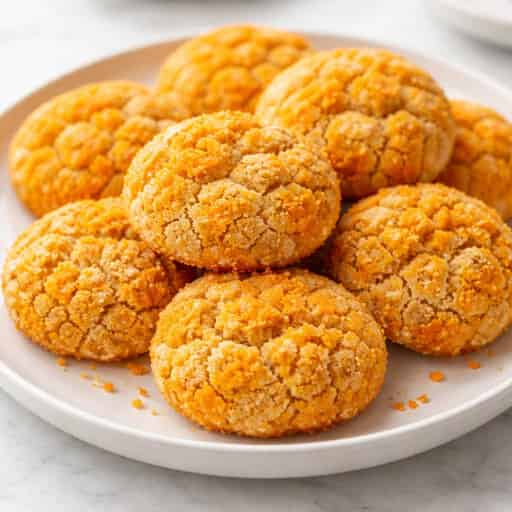
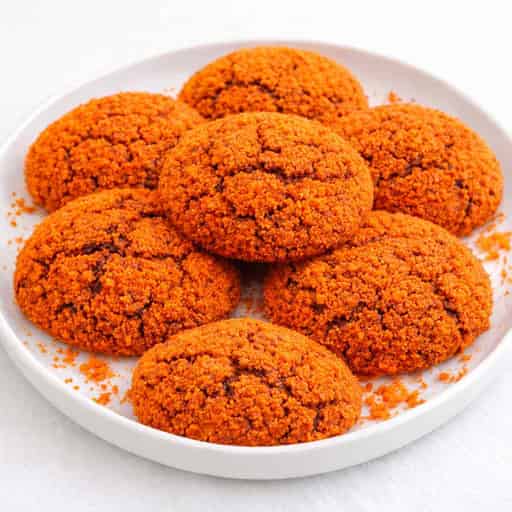
These buko pandan levain-style cookies are built for a bakery-style bite: thick edges, a soft center, and a chewy crumb that stays tender after cooling. Instead of fresh young coconut, this version uses desiccated coconut rehydrated with hot milk, which recreates the juicy texture you want in a UK kitchen. Pandan extract gives the cookies their classic fragrant profile, while plain yogurt and milk keep the dough simple, soft, and accessible.
If you like cookies that are rich but not greasy, this dough balances butter, brown sugar, and a small amount of cornflour to keep the middle plush. The method is straightforward, but two details matter most: soak the coconut and chill the dough. Those steps are what turn this from a standard coconut cookie into a proper levain-style buko pandan cookie.
Flavor Profile
Flavor Profile
Expect vanilla-coconut sweetness first, followed by the floral and grassy aroma of pandan. Brown sugar keeps the flavor rounded and caramel-like, while a little salt prevents the cookie from tasting flat. If you add white chocolate, it gives creamy sweetness and a soft snap that pairs naturally with pandan.
The overall profile should taste familiar to anyone who enjoys buko pandan desserts, but in cookie form: cozy, fragrant, and a little nostalgic.
Chef's Tips
Chef's Tips
Use pandan extract gradually. Start with 1 teaspoon, then mix and taste a tiny bit of dough if you want a stronger note. Some extracts are concentrated and can become bitter if overused.
For the best ultra-soft center, pull the cookies once the edges are set but the center still looks slightly underdone. They finish cooking from residual heat on the tray.
Shape matters in levain-style cookies. Keep each dough ball tall instead of pressing it flat. Height gives you that thick, bakery-style profile with a defined chewy middle.
Ingredient Highlights
Ingredient Highlights
Rehydrated desiccated coconut is the key stand-in for fresh buko. The hot milk pre-soak softens the coconut strands so they stay moist in the final cookie rather than dry and fibrous.
Plain yogurt and milk add moisture and a little acidity, which helps the cookies bake up soft and chewy with everyday ingredients and no advance prep.
Cornflour reduces toughness by limiting gluten strength in the final dough. Combined with egg yolk and brown sugar, it supports a tender, bendy center.
How It Comes Together
How It Comes Together
The process is a classic one-bowl cookie build. First, hydrate the coconut. Next, whisk melted butter with both sugars until glossy, then whisk in yogurt, milk, yolk, and extracts. Fold in dry ingredients until just combined, then fold in the soaked coconut and optional chocolate.
From there, chill the dough for at least 2 hours. This rest hydrates the flour and solidifies the fat, which keeps spreading under control and deepens flavor. After chilling, portion large dough balls and bake until just set around the edges.
The cookies will look soft in the middle when they come out. That is correct. Letting them cool on the tray gives structure while preserving chew.
Easy Swaps
Easy Swaps
You can replace white chocolate with the same weight of chopped dark chocolate for a less sweet finish.
If you only have Greek yogurt, use 35 g Greek yogurt plus 45 ml milk so the dough stays easy to mix.
For dairy-free baking, use a plant butter block and unsweetened oat milk for the coconut soak. Texture will be slightly less rich but still chewy.
Low-Cholesterol Notes
Low-Cholesterol Notes
This is still a treat recipe, but you can make small adjustments if you are watching cholesterol intake. Keep the optional white chocolate out, and use a plant-based butter alternative with lower saturated fat if it performs well in cookies.
Because coconut and butter are both saturated-fat sources, portion size is the most practical lever. Pairing one cookie with fruit or low-fat yogurt can help keep dessert satisfying without turning it into a larger high-fat snack.
Make-Ahead & Meal Prep
Make-Ahead & Meal Prep
Dough can be portioned and chilled overnight before baking. You can also freeze dough balls for up to 2 months. Bake from frozen at the same temperature, adding 1 to 2 extra minutes.
Baked cookies keep well in an airtight container for 3 days at room temperature. For longer storage, freeze baked cookies and warm briefly before serving for a fresh-baked texture.
If your kitchen is dry, store cookies with a small piece of bread in the container to help maintain softness.
Budget Tips
Budget Tips
Use desiccated coconut in larger bags rather than small baking sachets to lower cost per batch.
Skip chocolate add-ins when needed; the pandan-coconut base still carries strong flavor on its own.
Measure with a kitchen scale to avoid wasting ingredients and to keep texture consistent from batch to batch.
Portion Guidance for Goals
Portion Guidance for Goals
A practical serving is 1 cookie (about 95 g baked). If you are running a lean-muscle phase, this works best as a planned dessert rather than an automatic extra snack.
On higher-calorie training days, one cookie can fit comfortably after dinner or post-workout. On lighter-intake days, consider half to one cookie depending on your total intake and other dessert foods that day.
When to Eat
When to Eat
Best timing is after a workout meal or as a planned evening dessert when your main meals are protein-forward and vegetable-rich.
Try to avoid stacking this with other high saturated-fat treats on the same day so your overall balance stays in check.
Balance Tip
Balance Tip
If you are having this cookie, keep earlier meals simpler in saturated fat by choosing lean proteins, olive oil-based cooking, and plenty of vegetables. That way, you can enjoy the dessert while keeping your daily pattern aligned with heart-aware eating goals.
Nutrition Facts
Nutrition Facts
Serving Size: 1 cookie (about 95 g baked)
Calories 35218%
% Reference Intake*
Total Fat 17.2g25%
Saturated Fat 11g55%
Trans Fat 0g
Cholesterol 45mg
Sodium 168mg
Total Carbohydrates 46g18%
Dietary Fiber 1.8g
Sugars 24g27%
Protein 4.4g9%
* Reference intakes are based on an average adult's 8,400 kJ / 2,000 kcal diet. Your needs may be higher or lower.
Community Reviews
See how other home cooks made this recipe, then share your own experience.
5.0
3 ratings
5
100%
4
0%
3
0%
2
0%
1
0%
How would you rate this recipe?
Share your experience and help others.
Marco T.
· 28 Feb 2026Baked from chilled overnight dough and got soft centers with crisp edges.
Hannah R.
· 28 Feb 2026I used 1.25 tsp pandan extract and the flavor was spot on. Thick bakery-style cookies.
Priya L.
· 28 Feb 2026The coconut soak trick made such a difference. Super chewy even the next day.
Create Your Own Recipe
Add your personal creations and build your own recipe collection.