Chestnut Mont Blanc cream made with chestnuts, sugar, and butter, without cream or liqueur. A chestnut-forward piping cream for Mont Blanc desserts, tart shells, cakes, or plated pastry components.
Prep time
35 min
Cook time
15 min
Total time
50 min
Servings
12
Chef's Tips
Warm the sugar and butter to room temperature before mixing for a silkier finish.
If the paste turns chalky, add 1–2 tsp hot water to loosen before adding butter.
For an ultra-smooth finish, push the paste through a fine sieve before piping.
Use flavour-neutral butter so the chestnut aroma remains front and centre.
Chill the cream 20–30 minutes before piping for cleaner strands from the Mont Blanc tip.
Tools Used
Medium Saucepan(opens in a new tab)Bowl(opens in a new tab)Blender Or Food Processor(opens in a new tab)Rubber Spatula(opens in a new tab)
We use affiliate links, which may earn us a small commission at no extra cost to you.
Ingredients
Ingredients
Servings
12 servings1×
Scale
Ingredient amounts update instantly.
Chestnut Base
Finish The Cream
Instructions
Prep & De-astringe
- 1
Place chestnuts (outer shell removed) in a pot of water and bring to a boil. Remove from heat, refresh with cold water to cool.
- 2
Using a soft brush, gently scrub off astringency. Repeat boil–rinse and scrub 3 times until water runs clear.
Blend the Chestnuts
- 1
Add cleaned chestnuts (inner skin on) to a blender with 30–40% of their weight in water; blend until very smooth.
Dry the Paste
- 1
Evaporate moisture until thick and slightly powdery. Do this in a saucepan over low heat, stirring, or microwave uncovered in 3-minute bursts, stirring between each.
- 2
Stop once a spoon dragged through leaves a clear line and the paste looks matte.
Finish & Pipe
- 1
Weigh the dried paste. Mix in raw cane sugar and softened butter—each 10% of the paste weight—until silky.
- 2
Chill 20–30 minutes, then transfer to a piping bag fitted with a Mont Blanc tip and pipe over your bases. Use within 5 days refrigerated.
Plan This Recipe
Save this recipe to one of your meal plans or browse your existing plans.
Learn More
Everything you want to know about this recipe.
Pure Chestnut Mont Blanc Cream
Pure Chestnut Mont Blanc Cream
This Mont Blanc cream is built to keep the chestnut flavour in front. Instead of relying on cream or liqueur, it uses chestnuts, a small amount of sugar, and butter to make a paste that is pipeable, smooth, and clean-tasting enough for Mont Blanc-style desserts where the chestnut should stay dominant.
That makes it useful when you want a chestnut cream that feels closer to the core flavour of the nut rather than a richer patisserie filling. It still pipes well, but it reads more clearly as chestnut first and dairy second.
Why This Recipe Works
Why This Recipe Works
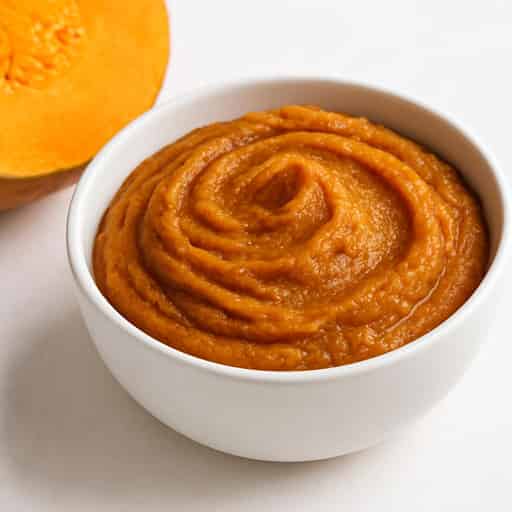
Drying the blended chestnut paste before adding sugar and butter is the key step here. It concentrates the flavour, improves the final texture, and helps the cream hold its shape once piped through a Mont Blanc tip.
Keeping the butter and sugar at about 10% of the dried paste weight also makes the formula easier to adjust. You get enough richness and softness to make the cream workable, but not so much that it stops tasting like chestnut.
Ingredient Notes
Ingredient Notes
Chestnuts vary in moisture and sweetness, which is why the recipe is built around drying the paste and then finishing it by weight. That gives you a more reliable texture than treating every batch the same from the start.
Raw cane sugar keeps the sweetness softer, and unsalted butter gives the paste enough body for piping. If the paste feels a little dry after mixing, a small amount of hot water is a better fix than adding much more butter.
How to Make It
How to Make It
Start by parboiling, rinsing, and brushing the chestnuts several times to clean them and reduce bitterness. Once they are ready, blend them with a measured amount of water until very smooth.
After blending, cook off the extra moisture until the paste looks matte and holds a clear line when dragged with a spoon. Then weigh the dried paste and mix in the sugar and softened butter before chilling briefly and transferring it to the piping bag.
Tips, Storage, and Serving Ideas
Tips, Storage, and Serving Ideas
If you want a finer finish, sieve the cream once before piping. That step takes extra time, but it gives a cleaner strand and helps if the chestnuts were not perfectly smooth after blending.
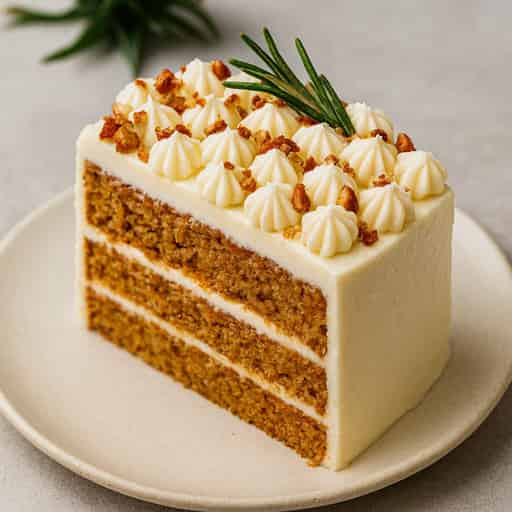
This cream works well over meringue nests, sponge, tart shells, and small Mont Blanc-style plated desserts. It also keeps well in the fridge for a few days, which makes it practical for pastry prep rather than same-minute assembly only.
Portion Guidance for Goals
Portion Guidance for Goals
Use this as a finishing cream rather than the full dessert on its own. A modest pipe over a tart, meringue, or sponge base is usually enough because chestnut cream is dense even without heavy cream.
When to Eat
When to Eat
This is best used when you want a chestnut-forward dessert component in autumn or winter baking, especially for Mont Blanc builds, tartlets, and plated pastries.
Balance Tip
Balance Tip
Because the cream is naturally dense and slightly sweet, it pairs best with a lighter base such as meringue, plain sponge, or unsweetened whipped elements rather than another heavy filling.
Nutrition Facts
Nutrition Facts
Serving Size: Per serving (1/12 of batch, ~50 g)
Calories 905%
% Reference Intake*
Total Fat 3.5g5%
Saturated Fat 2.2g11%
Trans Fat 0g
Cholesterol 9mg
Sodium 2mg
Total Carbohydrates 16g6%
Dietary Fiber 2g
Sugars 6g7%
Protein 1g2%
* Reference intakes are based on an average adult's 8,400 kJ / 2,000 kcal diet. Your needs may be higher or lower.
FAQs
How should I store Mont Blanc chestnut cream?
Keep the finished cream in an airtight container in the fridge for up to 5 days. For longer storage, freeze AFTER adding sugar and butter for up to 1 month; thaw overnight in the fridge and re-emulsify by stirring.
Why no liqueur or cream?
This formula highlights the natural chestnut flavour. Butter adds body and sheen without muting aroma, while omitting dairy and alcohol keeps the taste clean and chestnut-forward.
My paste turned dry and chalky—how do I fix it?
Stir in 1–2 tsp hot water (or hot syrup) until smooth, then beat in the butter. Sieving once helps rescue texture.
Can I use canned or vacuum-packed chestnuts?
Yes. Choose unsweetened chestnuts and skip the repeated de-astringency steps. Start from the blending stage and adjust water as needed.
Can I add rum or vanilla?
If you like a classic patisserie note, add 1–2 tsp dark rum or 1/2 tsp vanilla after the butter. The base recipe is alcohol-free by design.
Community Reviews
See how other home cooks made this recipe, then share your own experience.
4.7
6 ratings
5
67%
4
33%
3
0%
2
0%
1
0%
How would you rate this recipe?
Share your experience and help others.
Sora
· 18 Jul 2026Good chestnut flavour without needing cream or alcohol. The short chill before piping made a big difference.
Claire
· 2 Mar 2026I used vacuum-packed chestnuts and it still came out smooth enough to pipe after one pass through a sieve.
Lina
· 7 Oct 2025Piped beautifully after a short chill. Tip—don’t over-dry in the microwave or it gets crumbly.
Kenji
· 7 Oct 2025I made it without rum this time and the chestnut aroma stood out much more. Next time I might add a little vanilla.
Marie
· 7 Oct 2025Made this with vacuum-packed chestnuts—so pure and not too sweet. Sieving once really improved the texture.
Aki
· 7 Oct 2025The freezing guidance was really clear and helpful. The cream still piped properly after thawing.
Create Your Own Recipe
Add your personal creations and build your own recipe collection.