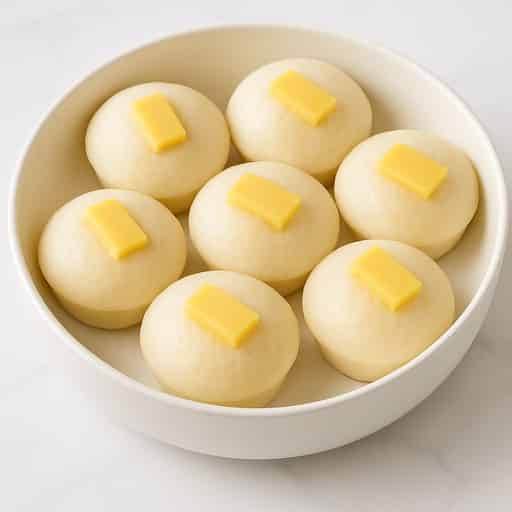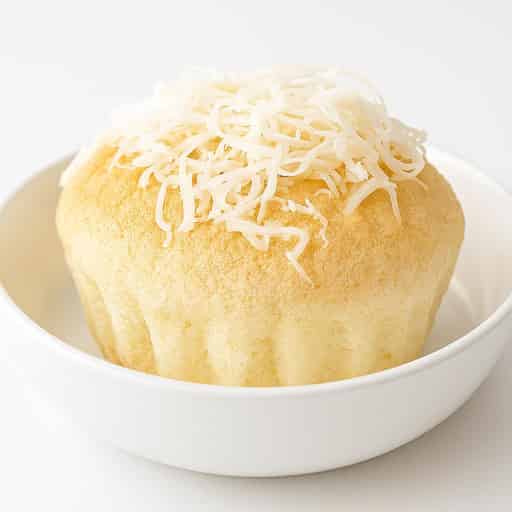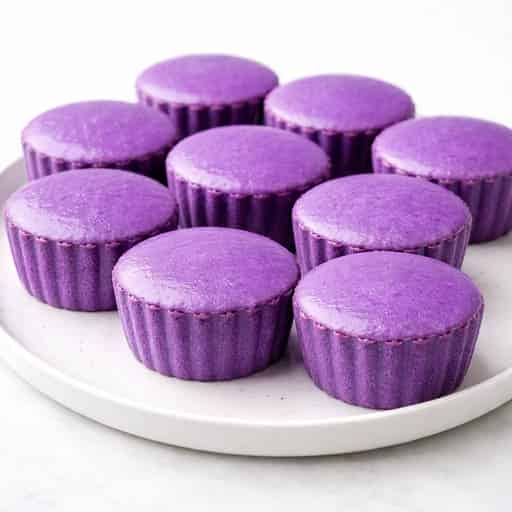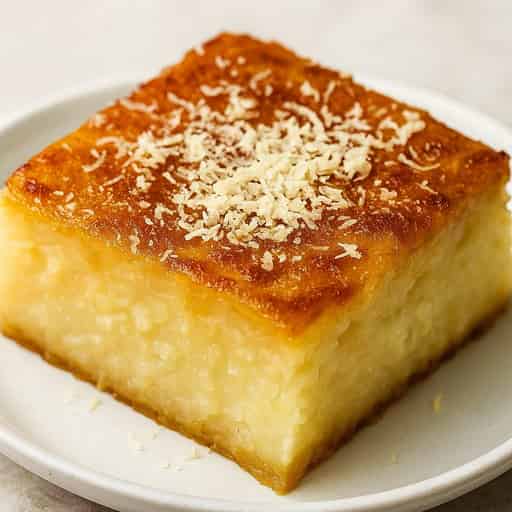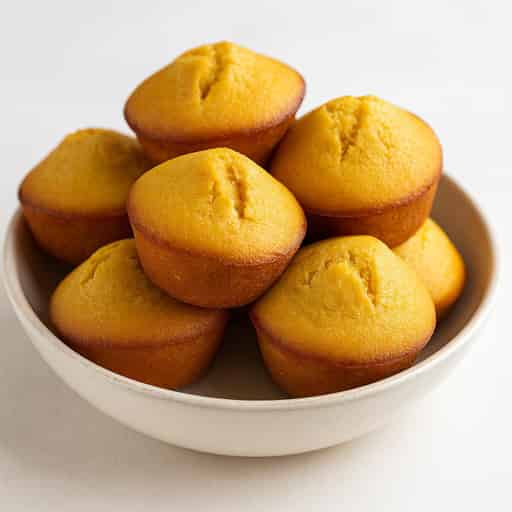
Make Filipino Kababayan at home: soft, buttery bakery muffins with golden domed tops, a tender cake-like crumb, and gentle vanilla flavour.
Prep time
15 min
Cook time
14 min
Total time
29 min
Servings
12
Recipe Snapshot
DifficultyMedium
MealBreakfast / Snack
Meal PrepExcellent
Freezer FriendlyYes
Family FriendlyYes
CuisineFilipino
Chef's Tips
Fill each greased muffin cup about three-quarters full. With this 12-piece yield, that is roughly 90 g batter per cup before baking.
Fully preheat the oven before filling the pan. The initial hotter bake is part of the recorded two-stage method and helps the cakes rise.
Use fresh baking powder and weigh the flour where possible. Both have a noticeable effect on the characteristic dome and tender crumb.
Tools Used
We use affiliate links, which may earn us a small commission at no extra cost to you.
Tin & Mould
12-cup standard muffin pan
Ingredients
Ingredients
Servings
12 servings1×
Scale
Ingredient amounts update instantly.
Dry Ingredients
Wet Ingredients
Instructions
Mix the Batter
- 1
Heat the oven to 210C conventional (190C fan). Grease a 12-cup standard muffin pan directly; paper liners will not give the same golden sides.
- 2
Whisk the flour, sugar, baking powder, baking soda, and salt in a large bowl until evenly combined.
- 3
In a second bowl, whisk the water, evaporated milk, warm melted butter or margarine, egg, vanilla, and optional colouring until smooth. The melted fat must not be hot enough to cook the egg.
- 4
Pour the wet mixture into the dry ingredients and whisk only until the batter is smooth, thick, and pourable, with no dry flour pockets. Do not beat it further or leave it to rest.
Fill and Bake the Kababayan
- 1
Divide the batter among the greased cups, filling each about three-quarters full, or roughly 90 g batter per cup. Place the pan on the centre rack without opening the oven door early.
- 2
Bake for 7 minutes at 210C conventional (190C fan), then reduce the oven to 165C conventional (150C fan) and bake for 7 minutes more.
- 3
The Kababayan are done when their domes are golden and set, spring back lightly when touched, and a tester in the centre comes out clean or with a few dry crumbs. Do not extend the bake only to chase a darker colour.
Cool and Serve
- 1
Leave the cakes in the pan for 5 minutes, then loosen and transfer them to a cooling rack. Serve warm or at room temperature as merienda with coffee, tea, or a cold glass of milk.
Plan This Recipe
Save this recipe to one of your meal plans or browse your existing plans.
Learn More
Everything you want to know about this recipe.
What Is Kababayan?
What Is Kababayan?
Kababayan is a small Filipino bakery cake with a golden-brown dome, a soft buttery crumb, and a gentle vanilla flavour. It is commonly sold as an individual merienda snack in Filipino bakeries. Although readers often call it Kababayan bread, this recipe is made from a quick batter, not a yeasted dough, so the finished texture is closer to a cake or muffin than to bread.
The name kababayan is a Filipino word used for a fellow countryman or compatriot. In bakery use, the cake's rounded silhouette is commonly associated with the traditional salakot hat. Its precise pastry origin is not clearly documented, so this recipe focuses on the familiar shape and baking method rather than making a historical claim it cannot support.
How to Get the Kababayan Dome
How to Get the Kababayan Dome
The dome depends on the combination of the pan, fill level, fresh leavening, and a fully heated oven. For the stated 12-piece yield, use a standard 12-cup muffin pan. Grease the cups directly rather than using paper liners, which helps create the golden sides shown in Filipino bakery versions. Traditional Kababayan moulds can give a more pronounced salakot-like shape, but a standard muffin tin makes a reliable rounded dome instead.
Fill each cup about three-quarters full. The listed batch makes roughly 90 g batter per cup before baking, but use the fill line rather than forcing an exact weight if your pan capacity differs. Underfilled cups will look squat; overfilled cups can spread, overflow, or set poorly at the centre.
The recorded formula uses a deliberate two-stage bake: a hot first 7 minutes for rapid lift, then a lower temperature to finish the centre. Fully preheat before the pan is filled, use fresh baking powder, and do not open the door during the first stage. The recipe's 20 g baking powder is high for a typical muffin formula, but it is retained from the imported source recipe because it is integral to this version's rise. Measure it accurately rather than adding more in search of a taller dome.
Batter, Colour, and Doneness
Batter, Colour, and Doneness
Because the butter or margarine is melted, it does not need to be creamed. Let it cool until warm before combining it with the egg and milk, so the wet mixture stays smooth. The finished batter should be thick but pourable, not stiff enough to scoop like cookie dough. Once wet and dry ingredients meet, mix only until smooth and stop.
The optional yellow colouring is for the classic golden bakery appearance, not for sweetness or flavour. Browning still depends on the oven and pan, so use the set dome and a clean tester as the decision to remove the cakes. Leaving them in longer solely for a darker finish dries the crumb.
Kababayan Troubleshooting
Kababayan Troubleshooting
A flat Kababayan usually points to a cool oven, old baking powder, a pan filled too little or too much, or overworked batter. For the next batch, check the oven has completed its preheat, weigh the flour and leavening, fill cups to three-quarters, and stop whisking as soon as the batter is smooth.
A dense cake can result from too much flour, excess mixing, or insufficient initial heat. A dry one is more often an overbake or a flour-measuring issue. Use the gram measurement for flour, begin checking promptly after the second baking stage, and cool the cakes on a rack rather than leaving them in the hot pan.
Kababayan and Mamon
Kababayan and Mamon
Kababayan and Easy Mamon are both Filipino bakery favourites, but they are not interchangeable. This Kababayan is a simple quick-batter cake with a fuller, muffin-like crumb and a distinctive dome. Mamon is made as a lighter chiffon-style sponge, so it uses a different mixing method and has a more delicate texture.
Storage and Serving
Storage and Serving
Kababayan is at its softest on the day it is baked. Once completely cool, keep the cakes in an airtight container at room temperature for up to 2 days. Refrigeration is not the first choice because it can firm the crumb. For longer storage, wrap the cakes individually and freeze them in an airtight container. Thaw at room temperature; a brief gentle warm-up is optional before serving.
Serve Kababayan with coffee, tea, or milk for merienda, breakfast, or a simple afternoon snack. One cake is a practical portion; nutrition is an estimate per muffin based on the stated 12-piece yield.
Nutrition Facts
Nutrition Facts
Serving Size: 1 Kababayan muffin (approximately 76 g)
Calories 24012%
% Reference Intake*
Total Fat 9g13%
Saturated Fat 6g30%
Trans Fat 0g
Cholesterol 35mg
Sodium 270mg
Total Carbohydrates 34g13%
Dietary Fiber 1g
Sugars 14g16%
Protein 4g8%
* Reference intakes are based on an average adult's 8,400 kJ / 2,000 kcal diet. Your needs may be higher or lower.
FAQs
What is Kababayan?
Kababayan is a small Filipino bakery cake, often enjoyed as merienda. It is sometimes called Kababayan bread, but this quick batter is made and baked like a cake or muffin rather than a yeast bread.
How do I get the Kababayan dome?
Use a fully preheated oven, fresh baking powder, and a standard muffin pan filled about three-quarters full. Mix only until smooth, then follow the two-stage oven temperature without opening the door during the first 7 minutes.
Can I use traditional Kababayan moulds?
Yes. Traditional moulds can give a more pronounced salakot-like profile, but their capacities vary. Fill them about three-quarters full and use the visual doneness cues rather than relying only on the stated bake time.
Why is my Kababayan dense or dry?
A dense result usually comes from overmixing, weak baking powder, or an oven that was not fully hot at the start. Dry cakes usually come from too much flour or overbaking; weigh the flour and remove the cakes when the tester has only dry crumbs.
How should I store Kababayan muffins?
Cool completely, then keep them airtight at room temperature for up to 2 days. For longer storage, wrap individual cakes and freeze them; thaw at room temperature, then warm briefly if you like.
Community Reviews
See how other home cooks made this recipe, then share your own experience.
4.9
12 ratings
5
92%
4
8%
3
0%
2
0%
1
0%
How would you rate this recipe?
Share your experience and help others.
Marco S.
· 30 Aug 2026The notes on not overmixing made a real difference. The crumb was light, buttery, and not at all dry.
Rina G.
· 22 May 2026These taste like the kababayan I remember from Filipino bakeries. They were still tender the next day in an airtight container.
Daniel P.
· 9 Mar 2026I used fresh baking powder and followed the two oven temperatures. The tops browned nicely and the centres stayed soft.
Clarissa B.
· 18 Jan 2026The three-quarter fill guide was exactly what I needed. Mine rose into neat domes without spilling over the muffin pan.
Leo C.
· 12 Jul 2025Followed exactly and they came out bakery-quality. Ate 3 in one sitting—dangerous but so good!
Angela F.
· 10 Feb 2025Perfect merienda. Soft, fluffy, and that iconic kababayan shape is spot on.
Raymond S.
· 7 Nov 2024Brings back childhood memories from the sari-sari store! My kids thought they were cupcakes.
Janelle T.
· 5 Jul 2024I love how simple this recipe is. Perfect for weekend baking with the family.
Kenneth V.
· 3 May 2024These muffins are a hit with my kids! I used margarine instead of butter and they still tasted amazing.
Aileen M.
· 1 Dec 2023I didn’t have yellow food coloring, but they still looked great. The texture was soft inside with a slightly crisp top.
Paolo D.
· 29 Sept 2023Super easy to follow, and they turned out beautifully! I added a drop more vanilla for extra aroma.
Maria L.
· 28 Jul 2023I’ve always loved kababayan muffins from local bakeries growing up. This recipe brought back so many memories.
Browse this topic
Create Your Own Recipe
Add your personal creations and build your own recipe collection.