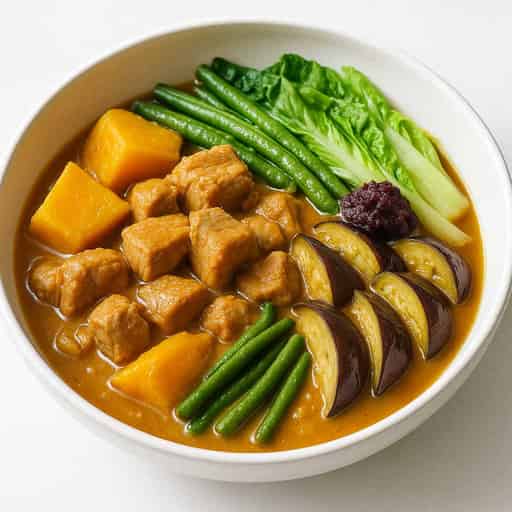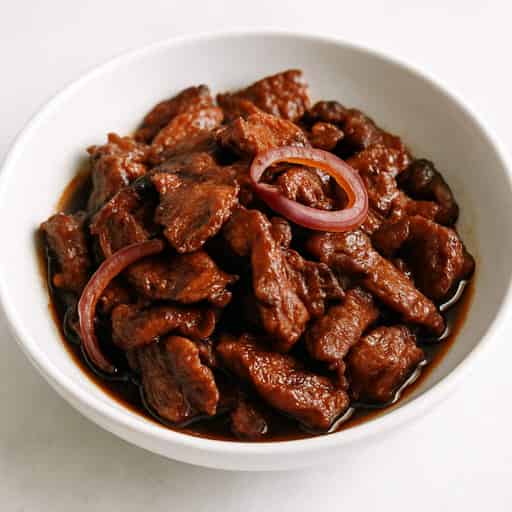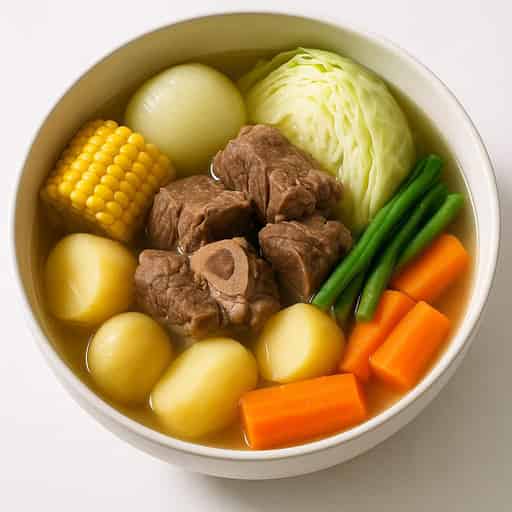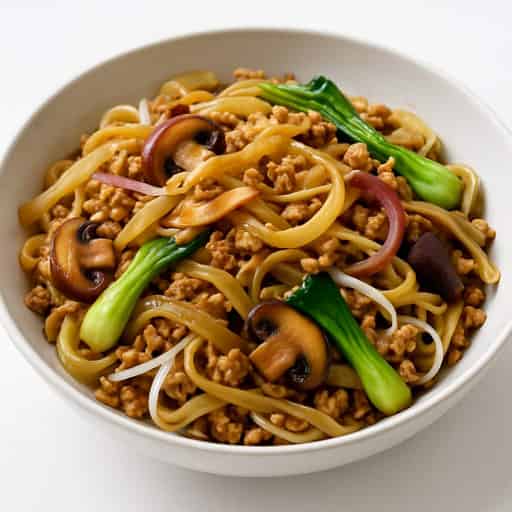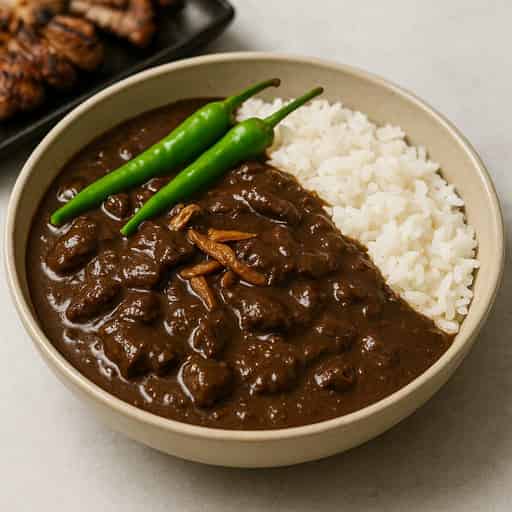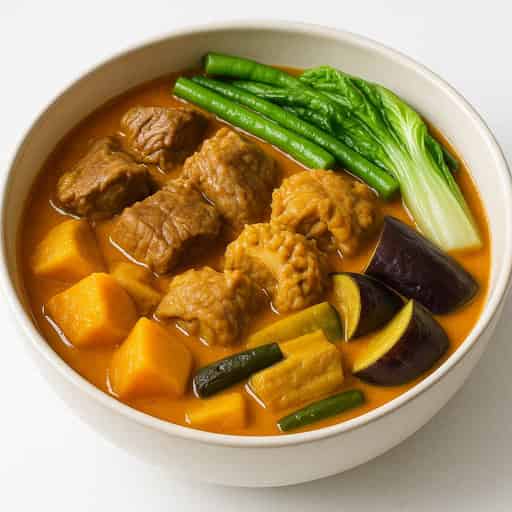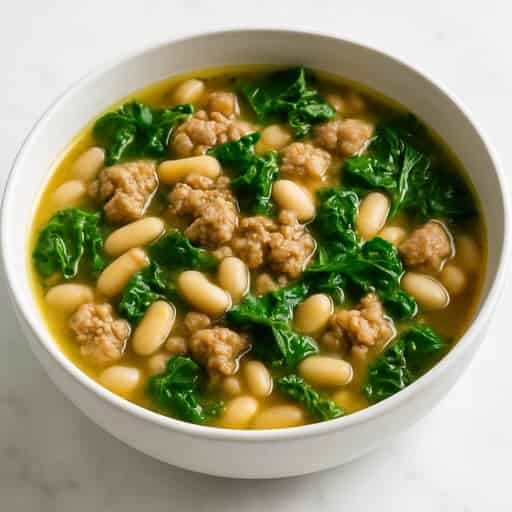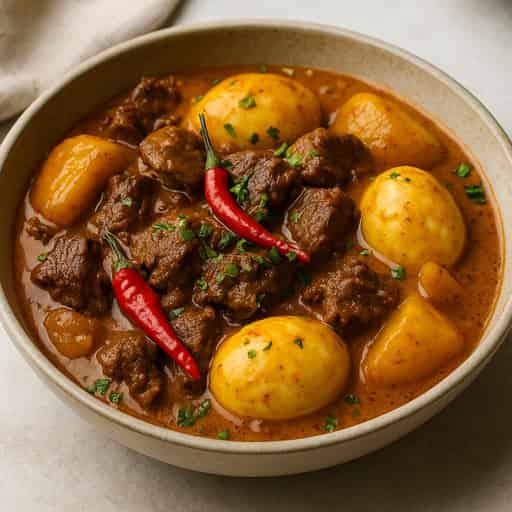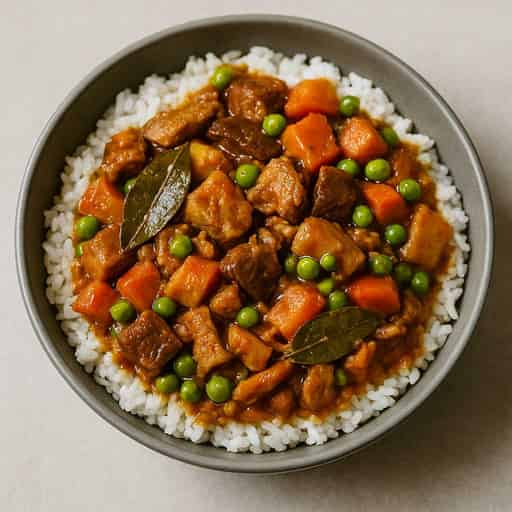
A savory Filipino igado with pork shoulder, pork liver, calamansi, soy sauce, and vegetables simmered until tender with a bright, tangy finish.
Prep time
30 min
Cook time
1 hr
Total time
1 hr 30 min
Servings
6
Chef's Tips
Always marinate liver separately from pork to avoid bitterness.
Fry potatoes and carrots first for more depth of flavor.
Season with salt at the end to avoid oversalting after soy sauce reduces.
Add calamansi before serving for a fresh tang.
Tools Used
Large PanMixing Bowls(opens in a new tab)Knife(opens in a new tab)Chopping Board(opens in a new tab)Spatula(opens in a new tab)
We use affiliate links, which may earn us a small commission at no extra cost to you.
Ingredients
Ingredients
Servings
6 servings1×
Scale
Ingredient amounts update instantly.
Meat Marinade
Vegetables
Seasonings
Instructions
Marinate the Meats
- 1
Marinate pork shoulder in calamansi juice and soy sauce for at least 30 minutes.
- 2
In a separate bowl, marinate pork liver with calamansi juice and soy sauce. Set aside.
Fry the Vegetables
- 1
Fry potato cubes until lightly browned, then set aside.
- 2
Fry diced carrots until just bright, then remove and set aside.
Render and Sauté
- 1
Cook marinated pork in a large pan until fat renders and it browns.
- 2
Add garlic and onion, sauté until fragrant.
- 3
Add chopped tomatoes and let them cook down, creating a fond at the bottom.
Deglaze and Simmer
- 1
Pour in water, scraping the fond.
- 2
Add bay leaves and Knorr seasoning, cover, and simmer until pork is tender.
Add Liver and Flavorings
- 1
Add marinated liver over high heat, stir quickly to prevent overcooking.
- 2
Mix in bell pepper and ginger, cook a few minutes.
Final Seasoning and Color
- 1
Stir in annatto water for color.
- 2
Add vinegar, salt, pepper, and Magic Sarap (if using).
- 3
Adjust soy sauce for balance.
Finish and Serve
- 1
Return fried potatoes, carrots, and sweet peas. Toss gently until sauce thickens.
- 2
Add calamansi juice just before serving for brightness.
Plan This Recipe
Save this recipe to one of your meal plans or browse your existing plans.
Learn More
Everything you want to know about this recipe.
Igado is one of those dishes that depends on small choices more than a long ingredient list. Marinating the pork and liver separately helps keep the flavor clean, while the calamansi and soy give the stew a brighter edge than a heavier braise.
This version uses fried potatoes and carrots for more body, then finishes with peas, ginger, vinegar, and annatto for color. Serve it hot with rice so the rich sauce has something to soak into.
What Keeps The Flavor Balanced
What Keeps The Flavor Balanced
Igado can turn heavy if the liver dominates the pan or if the soy sauce reduces too far, which is why the separate marinades and the final calamansi matter so much. The pork brings the richer base, while the liver adds depth in smaller bursts. Keeping those roles distinct gives the dish more definition and stops it from tasting muddy.
The vegetables also help more than they first appear to. Potatoes and carrots make the pan feel fuller, but they also absorb some of the sauce and spread the seasoning through the whole dish. That makes each serving feel more even rather than heavily sauced in one spot and dry in another.
Serving And Leftover Notes
Serving And Leftover Notes
This is the kind of stew that usually tastes best with hot rice and something simple on the side. Because the sauce is already savory and slightly tangy, a plain vegetable or light pickle is enough contrast for the plate.
Leftovers often improve overnight as the pork settles into the sauce. Reheat gently so the liver does not toughen, and add a fresh squeeze of calamansi if you want to bring back the brighter finish.
Nutrition Facts
Nutrition Facts
Serving Size: 1 cup
Calories 32516%
% Reference Intake*
Total Fat 18g26%
Saturated Fat 6g30%
Trans Fat 0g
Cholesterol 98mg
Sodium 650mg
Total Carbohydrates 19g7%
Dietary Fiber 3g
Sugars 4g4%
Protein 23g46%
* Reference intakes are based on an average adult's 8,400 kJ / 2,000 kcal diet. Your needs may be higher or lower.
Community Reviews
See how other home cooks made this recipe, then share your own experience.
4.2
5 ratings
5
40%
4
40%
3
20%
2
0%
1
0%
How would you rate this recipe?
Share your experience and help others.
Jojo’s Fam
· 16 Aug 2025Surprisingly delicious! Thought we wouldn’t like igado, but this one was a hit.
Lachlan
· 16 Aug 2025True, igado is menudo without tomato sauce 🥰
Elmie Trichia Acuña
· 16 Aug 2025I’m Ilocana—no tomatoes in our igado. Still, different provinces, different touches 👍
Stargazing ✨
· 16 Aug 2025Chef, authentic igado doesn’t use tomatoes or potatoes 😭 ours is just peas and bell pepper!
Camille C.
· 16 Aug 2025Finally tasted good igado! I used to hate it from karinderias, but this recipe changed my mind 😂
Create Your Own Recipe
Add your personal creations and build your own recipe collection.