Classic French-style sweet shortcrust pastry with butter, icing sugar, egg, and flour for crisp, tender tart shells that home bakers can make easily.
Prep time
20 min
Cook time
30 min
Total time
2 hr 20 min
Servings
10
Chef's Tips
Use butter that is soft but not greasy so the dough mixes evenly without turning oily.
Chill the dough after mixing and again after lining the tart tin to reduce shrinkage.
Roll between two sheets of parchment if the dough feels sticky.
Bake until the shell looks dry and lightly golden, not pale, or it can soften once filled.
For flavored versions, replace part of the flour with cocoa, matcha, or ube powder instead of just adding extra powder on top of the base recipe.
Tools Used
Mixing Bowl(opens in a new tab)Stand Mixer Or Hand Mixer(opens in a new tab)Rubber Spatula(opens in a new tab)Rolling PinParchment Paper(opens in a new tab)Baking Tray(opens in a new tab)
We use affiliate links, which may earn us a small commission at no extra cost to you.
Ingredients
Ingredients
Servings
10 servings1×
Scale
Ingredient amounts update instantly.
Sweet Shortcrust Pastry
Instructions
Make the Dough
- 1
Beat the butter, icing sugar, salt, and vanilla until smooth and creamy but not fluffy.
- 2
Mix in the egg until fully incorporated.
- 3
Add the flour and mix on low just until no dry patches remain.
- 4
Turn the dough out onto a sheet of parchment and press it into a flat disc.
- 5
Wrap and chill for at least 1 hour.
Line the Tart Tin
- 1
Roll the chilled dough to about 3 mm thick.
- 2
Line a 23 cm tart tin or ring, pressing the pastry neatly into the corners.
- 3
Trim off excess dough and prick the base lightly with a fork.
- 4
Chill the lined shell for 20 to 30 minutes, or freeze for 10 minutes.
Blind Bake
- 1
Heat the oven to 170C fan or 180C conventional.
- 2
Line the pastry with parchment and fill with baking weights or dried beans.
- 3
Bake for 15 minutes, then remove the weights and parchment.
- 4
Return to the oven for 10 to 15 minutes until dry and lightly golden.
- 5
Cool completely before filling.
Plan This Recipe
Save this recipe to one of your meal plans or browse your existing plans.
Learn More
Everything you want to know about this recipe.
Classic Sweet Shortcrust Pastry
Classic Sweet Shortcrust Pastry
This classic sweet shortcrust pastry is the home-baker version of French pâte sucrée: buttery, crisp, lightly sweet, and sturdy enough for fruit tarts, pastry cream tarts, chocolate tarts, and baked custard fillings. It is less flaky than pie dough and more controlled in the tin, which is exactly why French pastry kitchens rely on it for clean tart shells.
The formula here keeps the ingredient list simple. You do not need specialty flour, almond meal, or a food processor to get a reliable result. A bowl, mixer, rolling pin, and a little patience with chilling are enough.
Why This Recipe Works
Why This Recipe Works
The ratio is close to classic French sweet tart dough: flour as the main structure, plenty of butter for tenderness, enough icing sugar for a fine crumb, and one egg to bind the dough without making it tough. That combination gives you a shell that snaps lightly at the edge but still cuts cleanly once filled.
Using icing sugar instead of granulated sugar helps the dough mix more evenly and gives a smoother finish. Mixing only until combined also matters. Unlike bread or flaky pie dough, this pastry does not benefit from extra working. The goal is a smooth dough with minimal gluten development.
French Technique, Kept Simple
French Technique, Kept Simple
Many French pastry recipes use a creaming method for pâte sucrée. That means softened butter is mixed with sugar first, then egg, then flour. It is straightforward and easier for home bakers than rubbing in cold butter by hand.
The two main habits that matter most are keeping the dough cool and not overmixing it. If the dough warms up too much, it becomes sticky and harder to line neatly. If it is overworked, the baked shell can shrink or toughen.
How To Use It
How To Use It
This dough is ideal for one 23 cm tart shell or several smaller tartlets. Use it for lemon tart, fruit tart, chocolate ganache tart, Bakewell-style tart, or any recipe that needs a crisp sweet base.
If you want extra insurance against a soggy filling, brush the hot baked shell with a very thin layer of beaten egg white and return it to the oven for 1 to 2 minutes. That is optional, but it works well for custard or fruit fillings.
Home Baker Notes
Home Baker Notes
Roll the dough between parchment sheets if your kitchen runs warm. If cracks appear while lining the tin, patch them with a small piece of dough and press gently. Once baked, small flaws usually disappear under the filling.
Blind baking until the shell is actually dry matters more than chasing a specific minute mark. If it still looks pale or damp in the centre, give it a few more minutes before cooling.
Flavor Variations
Flavor Variations
You can turn this same dough into a few different pastry shells without changing the method.
- Chocolate: replace 25 g of the flour with 25 g unsweetened cocoa powder for a dark tart shell that works well with chocolate, coffee, orange, raspberry, or hazelnut fillings.
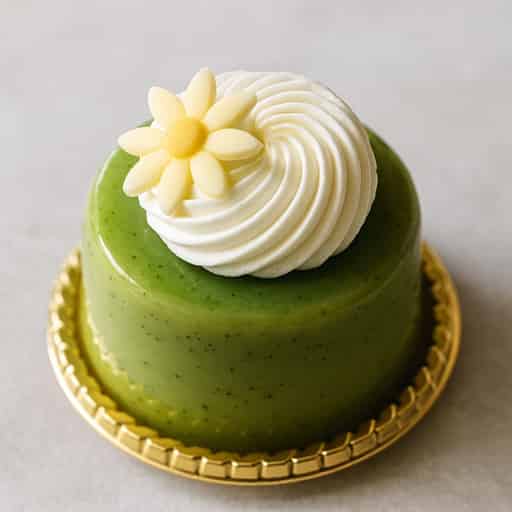
- Matcha: replace 12 g of the flour with 12 g matcha powder for a green tea version. Matcha can dry the dough slightly, so add 1 to 2 teaspoons cold milk only if needed.
- Ube: replace 15 g of the flour with 15 g ube powder for a lightly purple shell. Because ube powders vary a lot by brand, add 1 to 2 teaspoons cold milk only if the dough looks crumbly after mixing.
For all three versions, keep the mixing and chilling exactly the same as the base dough. The main rule is simple: swap out part of the flour for the flavoring powder rather than adding extra dry ingredients on top of the original formula.
Portion Guidance for Goals
Portion Guidance for Goals
Treat this as a foundational dessert component rather than a stand-alone snack. A practical portion is one slice of filled tart made with this shell, especially when the filling is rich.
When to Eat
When to Eat
This pastry makes the most sense as part of a planned dessert, afternoon bake, or special-occasion tart rather than an everyday grab-and-go item.
Balance Tip
Balance Tip
If you are using this shell for a richer tart, keep the filling fruit-forward or pair a smaller slice with tea or coffee instead of building a very large dessert portion.
Nutrition Facts
Nutrition Facts
Serving Size: 1 slice of tart shell (1/10 recipe)
Calories 20510%
% Reference Intake*
Total Fat 11g16%
Saturated Fat 7g35%
Trans Fat 0g
Cholesterol 52mg
Sodium 85mg
Total Carbohydrates 23g9%
Dietary Fiber 1g
Sugars 8g9%
Protein 3g6%
* Reference intakes are based on an average adult's 8,400 kJ / 2,000 kcal diet. Your needs may be higher or lower.
FAQs
Is this the same as pâte sucrée?
Yes. This is a classic French-style sweet shortcrust pastry, or pâte sucrée, designed for tarts and tartlets.
Can I make it without a mixer?
Yes. Mix the softened butter and icing sugar with a spatula, add the egg, then fold in the flour just until the dough comes together.
Can I freeze the dough?
Yes. Wrap the dough well and freeze for up to 2 months. Thaw overnight in the fridge before rolling.
Why does the dough need two chilling steps?
The first rest firms the butter and relaxes the dough after mixing. The second rest helps the lined tart shell keep its shape in the oven.
Can I make chocolate, matcha, or ube versions?
Yes. For chocolate dough, replace 25 g of the flour with 25 g unsweetened cocoa powder. For matcha, replace 12 g of the flour with 12 g matcha powder. For ube, replace 15 g of the flour with 15 g ube powder. If the matcha or ube dough feels slightly dry after mixing, add 1 to 2 teaspoons cold milk just until it comes together.
Community Reviews
See how other home cooks made this recipe, then share your own experience.
4.7
3 ratings
5
67%
4
33%
3
0%
2
0%
1
0%
How would you rate this recipe?
Share your experience and help others.
James
· 19 Apr 2026Chilling twice made a big difference. My tart shell kept its edges much better than usual.
Nina
· 19 Apr 2026I used it for lemon tart and the texture was exactly what I wanted: buttery, tidy, and not too sweet.
Claire
· 19 Apr 2026This rolled out cleanly and baked into a crisp shell without slumping. A very manageable tart dough for home baking.
Create Your Own Recipe
Add your personal creations and build your own recipe collection.