13 April 2026
French Macaron Shells
RecipeShare Test Kitchen
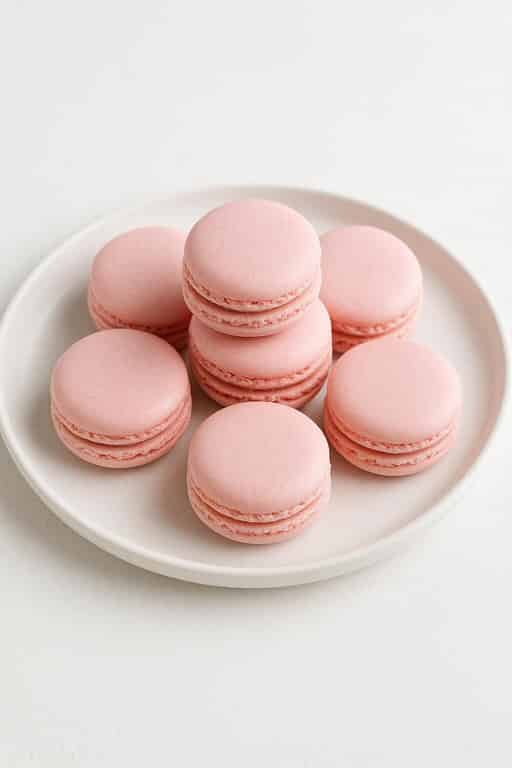
A practical base recipe for French macaron shells with notes on meringue, macaronage, resting, and baking for smoother results.
Prep time
30 min
Cook time
15 min
Total time
45 min
Servings
20
Chef's Tips
Age your egg whites for a day or two in the fridge for more stable meringue.
Gently fold the batter; overmixing will lead to flat macarons, undermixing will cause cracks.
Let the piped macarons dry thoroughly to create smooth shells with perfect feet.
Tools Used
Fine Mesh Sieve(opens in a new tab)Stand Mixer Or Hand Mixer(opens in a new tab)Rubber Spatula(opens in a new tab)Piping Bag With Round TipParchment Paper Or Silicone Mat(opens in a new tab)Baking Sheet(opens in a new tab)
We use affiliate links, which may earn us a small commission at no extra cost to you.
Ingredients
Ingredients
Servings
20 servings1×
Scale
Ingredient amounts update instantly.
Macaron Shells
Instructions
Sift and Prepare Dry Ingredients
- 1
Sift ground almonds through a fine mesh sieve to remove any coarse pieces.
- 2
Sift icing sugar and combine thoroughly with the almond flour. Set aside.
Whip the Meringue
- 1
In a clean, dry bowl, beat the egg whites until foamy.
- 2
Gradually add caster sugar while whisking, continuing until stiff, glossy peaks form.
- 3
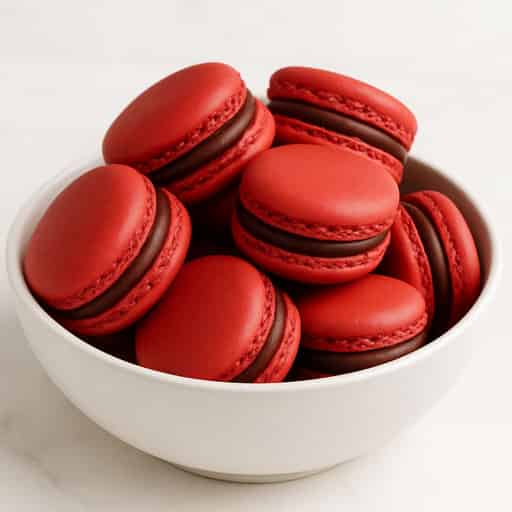
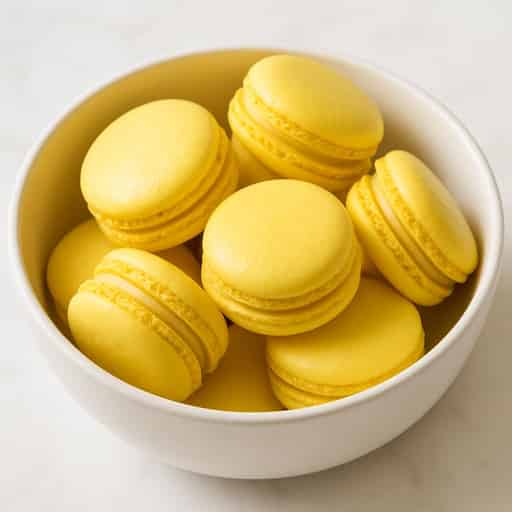
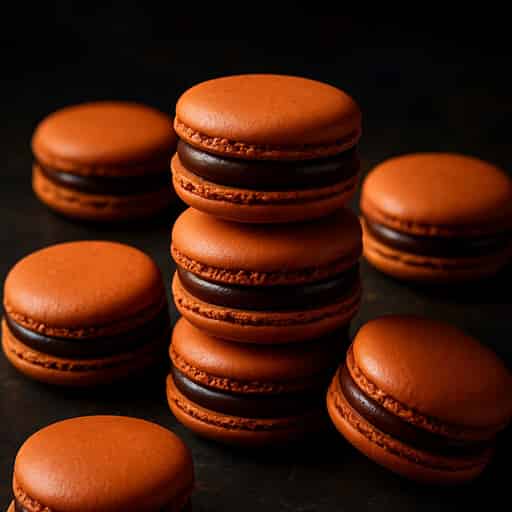
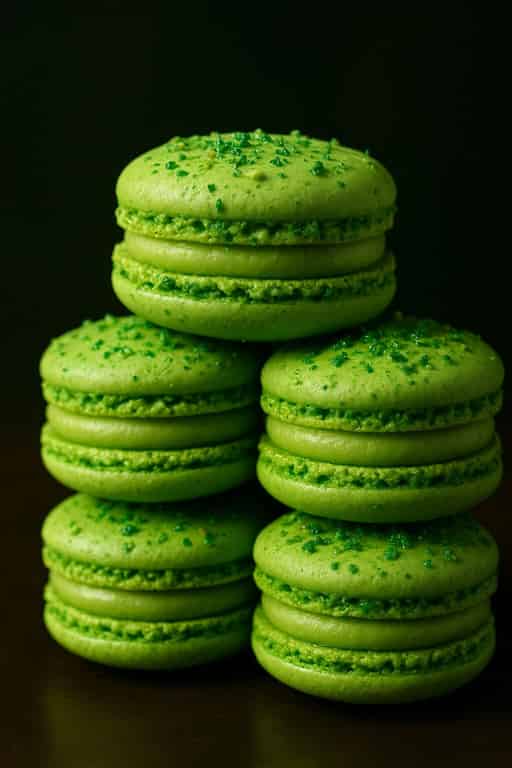
Add gel food coloring, if desired, and whip just to incorporate.
Macaronage: Fold and Mix
- 1
Add the dry mixture to the meringue.
- 2
Using a spatula, fold carefully until the batter flows in thick ribbons and slowly melts back into itself.
Pipe and Rest
- 1
Transfer the batter into a piping bag fitted with a round tip.
- 2
Pipe small circles onto a parchment-lined baking sheet.
- 3
Firmly tap the baking sheet on the counter to release air bubbles; use a toothpick if needed.
- 4
Allow the piped shells to rest at room temperature for at least 15–30 minutes until a skin forms.
Bake
- 1
Preheat the oven to 150°C (302°F).
- 2
Bake the macaron shells for about 15 minutes, rotating the tray halfway through if needed.
- 3
Let cool completely before peeling from the parchment.
Plan This Recipe
Save this recipe to one of your meal plans or browse your existing plans.
Learn More
Everything you want to know about this recipe.
French Macaron Shells
French Macaron Shells
Macaron shells depend more on technique than on a long ingredient list. Once the meringue, folding, and resting stages are consistent, the shells become a reliable base for ganache, buttercream, fruit fillings, or jam.
Where Most Batches Go Wrong
Where Most Batches Go Wrong
Two things matter most here: meringue strength and batter consistency. Weak meringue gives flat shells, while overmixed batter spreads too far and loses definition. Undermixed batter does the opposite and often cracks or peaks.
What To Watch During Macaronage
What To Watch During Macaronage
When the dry ingredients are folded in, the batter should fall in a thick ribbon and settle back into itself slowly. That stage matters more than the exact number of folds, so judge by texture rather than count.
Resting And Baking
Resting And Baking
Resting the piped shells helps form the dry skin that supports clean tops and defined feet. In a humid kitchen this may take longer, so judge by touch rather than the clock.
Bake with steady heat and let the shells cool fully before lifting them from the tray. If they stick, they usually need either another minute in the oven or more cooling time.
How To Use This Base
How To Use This Base
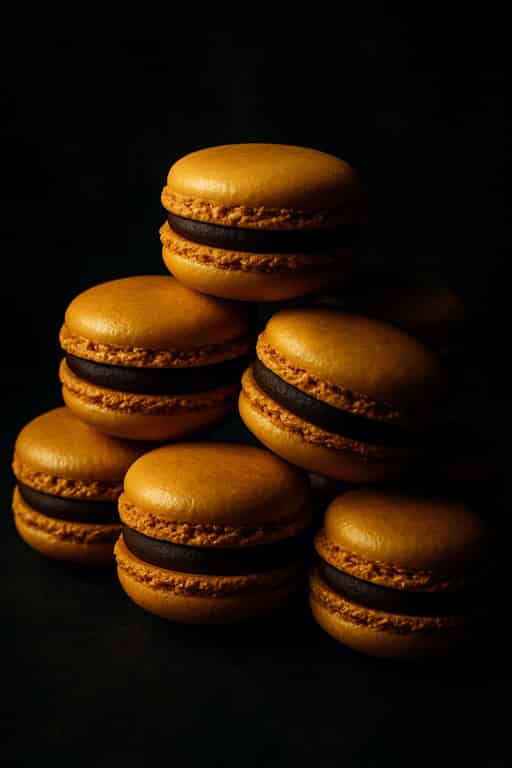
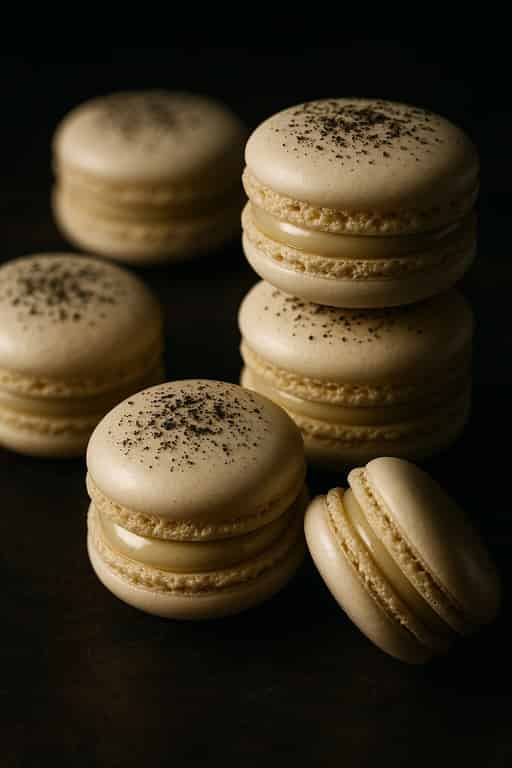
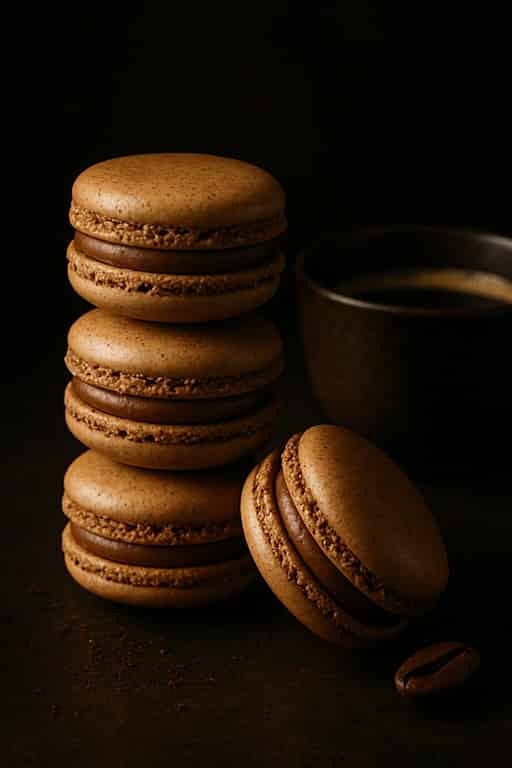
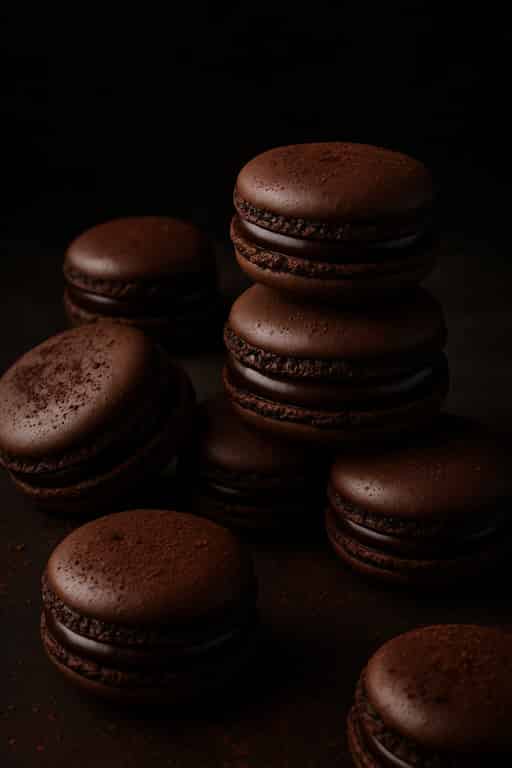
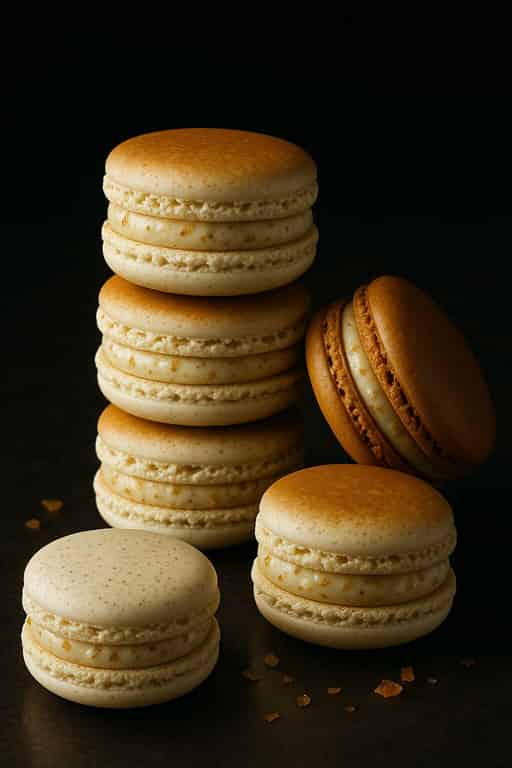
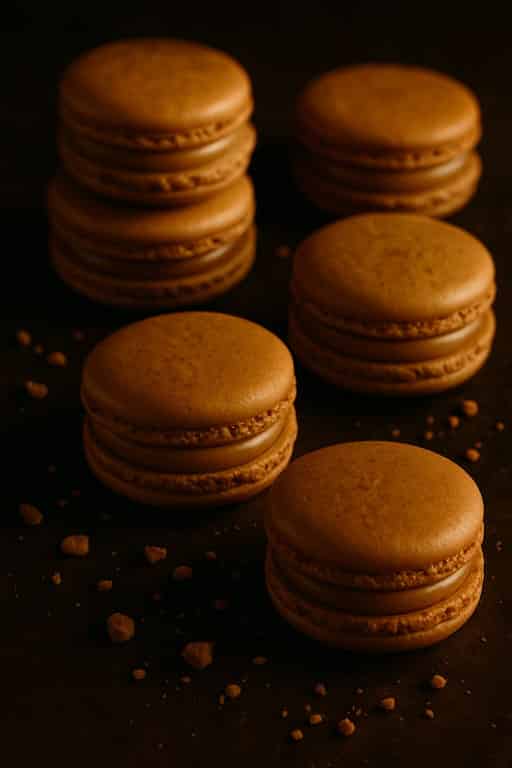
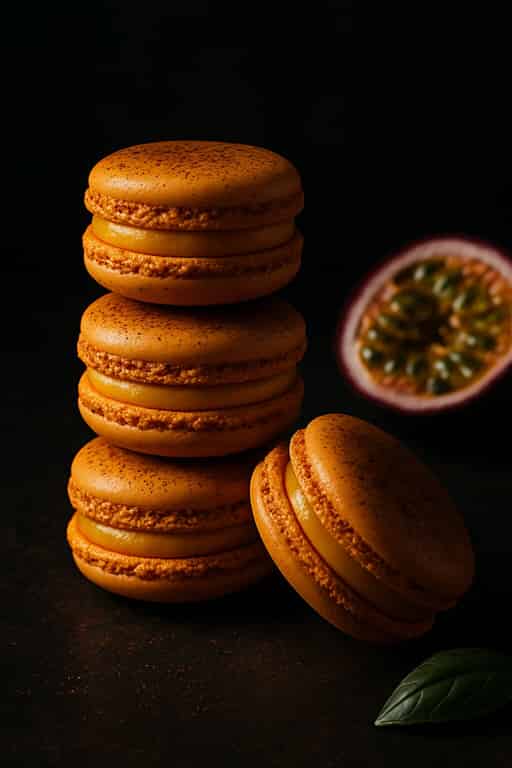
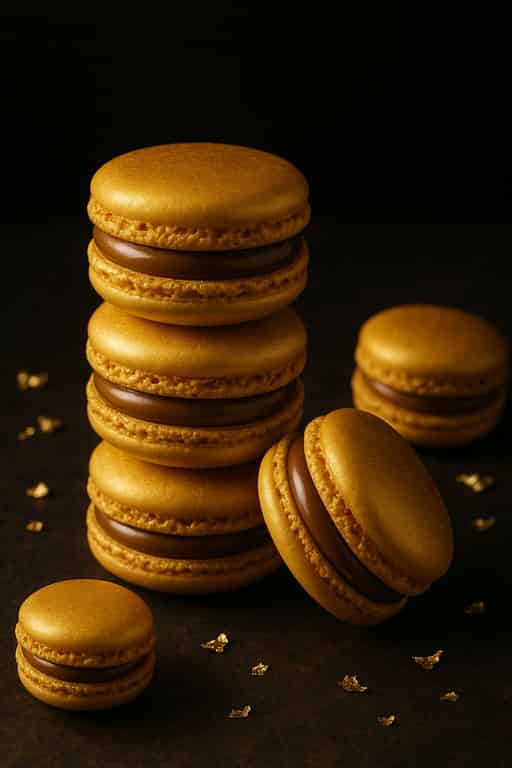
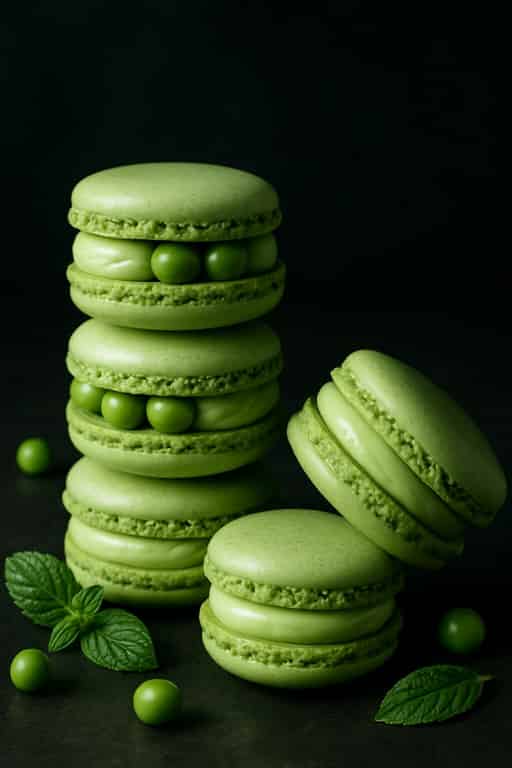
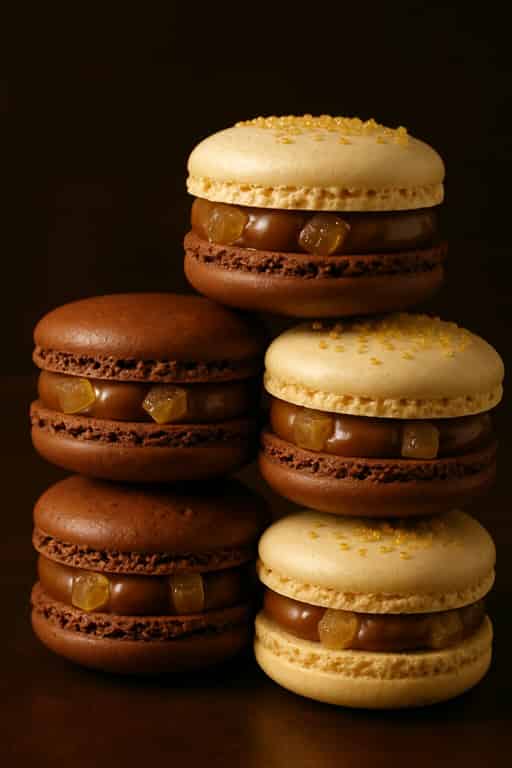
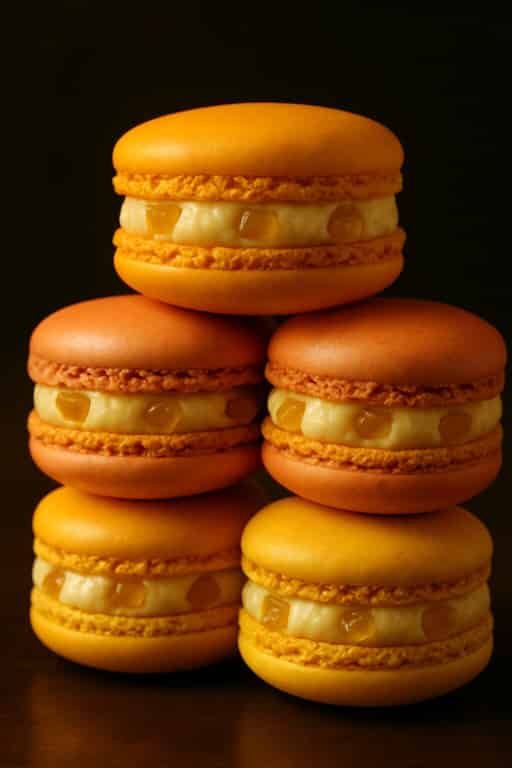
Once the shells are baked, pair them with fillings that can stand up to a day of maturation in the fridge. Coffee ganache, chocolate ganache, citrus buttercream, and fruit confit all work well.
Portion Guidance
Portion Guidance
Macarons are best treated as a planned dessert rather than an everyday snack. One or two filled macarons is usually enough per serving.
Nutrition Facts
Nutrition Facts
Serving Size: 2 shells
Calories 955%
% Reference Intake*
Total Fat 4g6%
Saturated Fat 0.5g3%
Trans Fat 0g
Cholesterol 0mg
Sodium 8mg
Total Carbohydrates 13g5%
Dietary Fiber 1g
Sugars 11g12%
Protein 2g4%
* Reference intakes are based on an average adult's 8,400 kJ / 2,000 kcal diet. Your needs may be higher or lower.
Community Reviews
See how other home cooks made this recipe, then share your own experience.
—
0 ratings
5
0%
4
0%
3
0%
2
0%
1
0%
How would you rate this recipe?
Share your experience and help others.
Create Your Own Recipe
Add your personal creations and build your own recipe collection.