Why Cheesecake Cracks and How to Stop It
Cheesecake cracks usually come from too much air, too much heat, or cooling too fast. Here is what causes them and how to keep the top smooth next time.
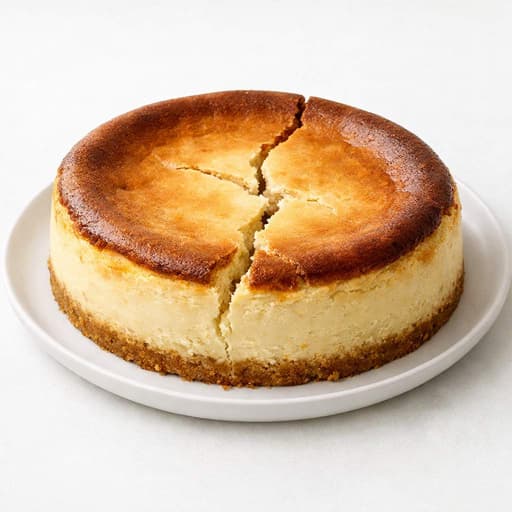
Cheesecake cracks are common, and they usually come from the same small group of problems. The surface splits when the batter rises too aggressively, the structure dries out too much, or the cake cools faster than it can settle.
Dek: If your cheesecake cracked, it does not usually mean the recipe failed completely. It usually means the batter trapped too much air, the oven pushed too hard, or the cake went through a sudden temperature change.
Quick answer
The most common reason cheesecake cracks is that it expanded too much in the oven and then pulled apart as it cooled. That often happens when the batter is overmixed, the oven runs too hot, or the cheesecake bakes longer than it needs to.
Too much air in the batter creates pressure in the oven
Cheesecake is meant to bake gently. When too much air gets beaten into the batter, the cake puffs more than it should. That extra lift can look harmless at first, but once the cheesecake starts cooling, the lifted structure drops and the top can split.
This is one reason cheesecake behaves differently from sponge cake. Air is not the goal. A smoother, denser batter is usually the safer path.
High heat sets the top before the centre finishes moving
A cheesecake often cracks when the outside and the middle stop baking at different speeds. If the top firms up too early while the centre is still pushing upward, the surface can tear as the cake continues to rise.
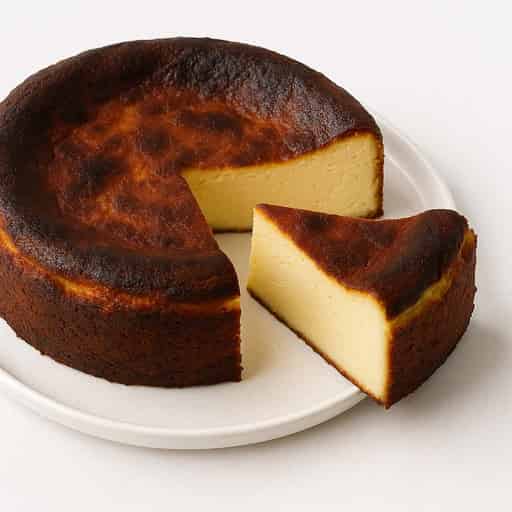
This can happen in classic cheesecakes, but it also matters in darker, hotter styles like Burnt Basque Cheesecake. The difference is that Basque cheesecake naturally accepts more dramatic colour and movement on top, while a smoother cheesecake usually shows every split more clearly.
Overbaking dries the surface and makes cracking more likely
A cheesecake does not need to look fully firm when it leaves the oven. In fact, one of the most common mistakes is waiting until the centre looks completely set. By that point, the outer structure is often too tight and dry.
That dryness matters because a dry surface is less flexible. When the middle settles during cooling, the top is more likely to split instead of easing into place.
Fast cooling can turn a small weakness into a visible crack
Even a well-mixed batter can crack if the cheesecake cools too abruptly. A dramatic change from hot oven to cool room, or from oven straight into the fridge, can make the structure contract faster than it should.
That is why cheesecakes often benefit from a gentler landing. The goal is not to hold heat forever. The goal is to let the centre and edges settle at a more even pace.
Water content and pan setup can make the texture less stable
Very wet batters, thin pans, and uneven oven heat can all increase the chance of cracking. A thinner tin or harsher top heat can push one side of the cake faster than the other. Extra moisture can also keep the centre moving longer than expected, which makes the set top more vulnerable.
This is part of why texture-led versions such as Gooey Basque Cheesecake need close attention to bake point. A centre that stays intentionally soft still needs enough structure around it to cool without tearing badly.
How to fix it next time
The practical fixes are usually straightforward:
- Mix only until the batter is smooth.
- Use room-temperature dairy so the batter comes together without aggressive beating.
- Bake just until the centre still has a gentle wobble.
- Avoid letting the oven run hotter than the recipe expects.
- Cool the cheesecake gradually before chilling.
These changes work because they reduce pressure, reduce overexpansion, and keep the surface from tightening too early.
How to prevent cheesecake cracks more consistently
The best prevention is to think about cheesecake as a controlled custard, not a cake that needs lift. Once that mindset is clear, the technique becomes simpler: less air, steadier heat, and a calmer cool-down.
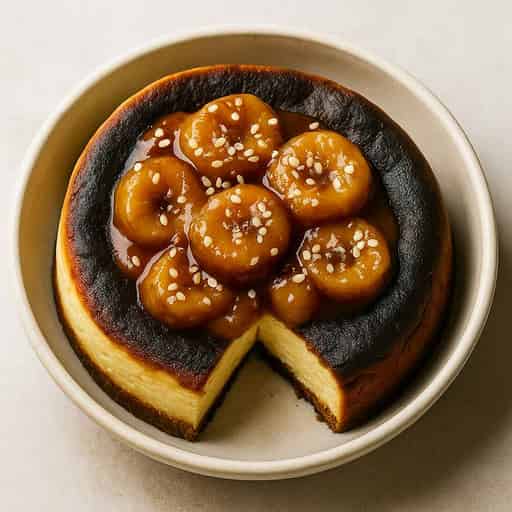
That is also why related styles such as Caramelised Banana Burnt Basque Cheesecake and the broader Basque Cheesecakes hub still depend on the same core logic. The flavour changes, but the structure still depends on gentle mixing, careful baking, and controlled cooling.
The main takeaway
Most cheesecake cracks are not random. They are the visible result of too much expansion, too much heat, or too much shock during cooling. Once you read the split as a structural signal instead of bad luck, the next bake becomes much easier to control.
Related recipes