
How to Make Yema Cake: Chiffon, Custard, and Assembly
Learn how Filipino yema cake gets its light chiffon, smooth condensed-milk custard, and clean layers that hold their shape when sliced cleanly at home.
Yema cake looks elaborate, but its character comes from two components that do very different jobs: a light chiffon cake and a cooked, condensed-milk custard. When both are made with the right texture, the layers stay soft, the filling holds its shape, and each slice tastes rich without feeling heavy.
Dek: A good Filipino yema cake depends on airy chiffon, a smooth yema custard, and patient cooling before assembly. This guide explains what each part contributes and the cues that keep the finished cake neat and sliceable.
Start with the contrast that defines yema cake
Yema cake is not simply a yellow cake with a sweet topping. The chiffon should be light enough to absorb some richness from the filling, while the yema should be thick enough to sit between the layers without soaking through them. That contrast is why the cake works for celebrations, merienda, and bakery-style dessert tables.
The Yema Cake Recipe keeps those roles separate: the chiffon is baked first, the custard is cooked until smooth and thick, and the cake is assembled only once both components have cooled.
A light chiffon needs stable egg whites
Chiffon gets its lift from whipped egg whites rather than a heavy butter-based batter. The foam needs to be glossy and stable enough to hold air, but it also needs to fold into the base without leaving dry streaks or large pockets of meringue.
Overworking the final batter loses some of that trapped air. Under-mixing leaves uneven texture. The useful visual cue is a batter that looks even and pale, while still feeling lighter than a standard cake batter. Once baked, it should spring back lightly and cool before it is cut into layers.
Yema custard should be thick, smooth, and spreadable
The filling begins with condensed milk, egg yolks, evaporated milk, and a small amount of starch. Gentle heat matters because the custard needs to thicken without scrambling the yolks or catching on the bottom of the pan.
The finished yema should leave a clear path when stirred and slowly settle back into itself. If it pours like a sauce, it will press out of the cake layers. If it becomes grainy or overly stiff, the finished cake can feel heavy. Butter is usually stirred in after cooking, which rounds out the texture and gives the custard its glossy finish.
Cooling protects the cake layers
Warm chiffon is fragile, and warm custard is too loose for clean assembly. Let both cool before spreading the filling. This avoids compressed cake layers, runny sides, and a top layer that slides off when the cake is moved.
Once assembled, chilling gives the custard time to firm up. The cake can then be sliced with a warm, dry knife for cleaner portions. If the yema is made in advance, a piece of wrap pressed directly on its surface helps prevent a skin from forming while it cools.
The common problems are usually texture problems
Dense chiffon often points to a deflated meringue or batter that was mixed too vigorously. A loose filling usually needs more gentle cooking time before it is cooled. Leaking sides usually mean the filling or cake was still warm at assembly. These are separate issues, but they all show why yema cake is best treated as a sequence of textures rather than one quick batter.
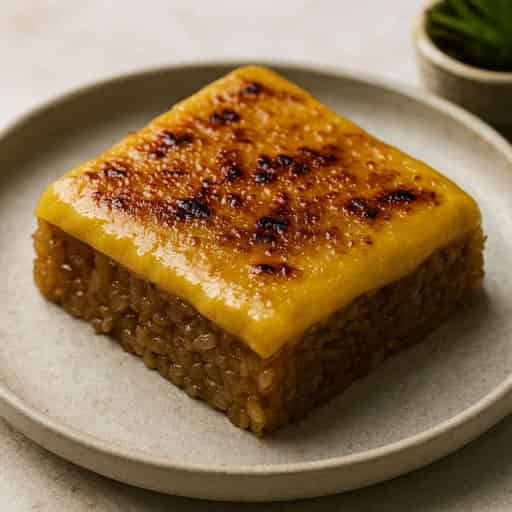
For a different way to use the same caramel-like flavour, Biko with Yema Spread pairs it with sticky rice instead of chiffon. For more celebration and merienda baking ideas, browse Filipino Cake Recipes and Filipino Bakery Classics.
A yema cake should feel light before it feels sweet
The best version is balanced: the chiffon gives the custard room to shine, and the custard gives the chiffon its unmistakable yema character. Once those two textures are handled with care, the decoration can stay simple and the cake will still feel recognisably Filipino and special.
Related recipes
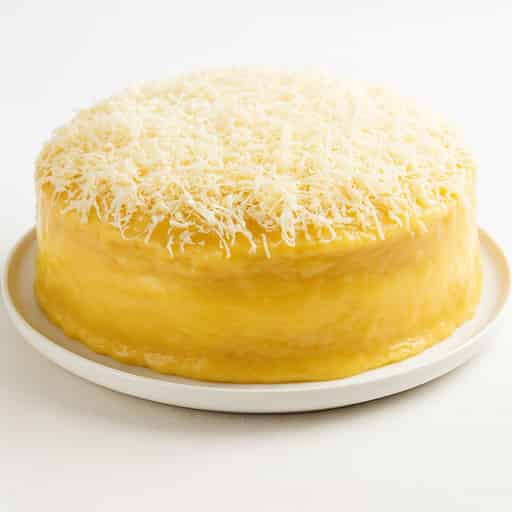
Yema Cake Recipe (Filipino Chiffon with Yema Custard)
RecipeShare Test Kitchen
Related topics
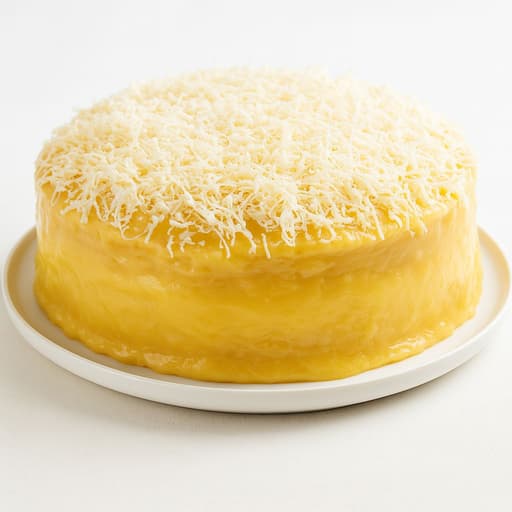
Filipino Cake Recipes: Bakery Favorites and Celebration Classics
Explore Filipino cake recipes from yema cake and chiffon layers to banana cakes, cupcakes, and creamy celebration bakes with practical home baking tips.
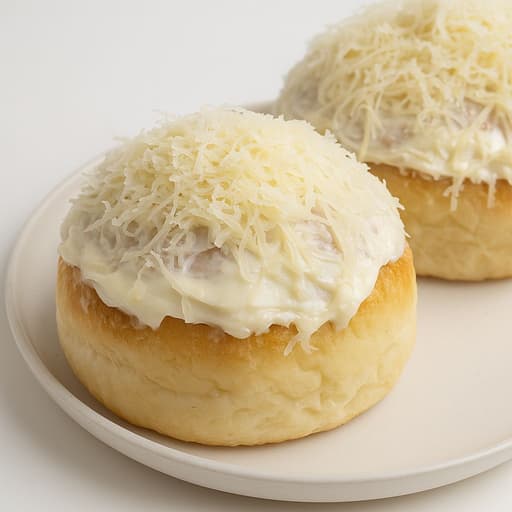
Filipino Bakery Classics
Filipino bakery classics including pandesal, Spanish bread, ensaymada, yema cake, and crinkles for breakfast, merienda, and gifting.