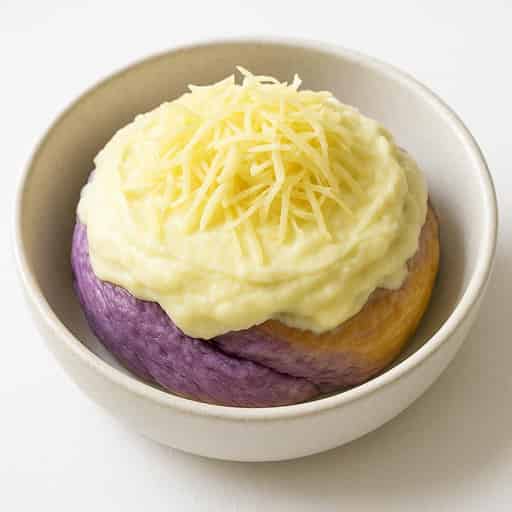
Individual Tropézienne brioche buns filled with light orange diplomat cream and pearl sugar, a make-ahead French pastry for sharing.
Prep time
40 min
Cook time
18 min
Total time
4 hr
Servings
10
Time Plan
1 hr 15 min active · 4 hr total
- Make the orange pastry cream20 min
- Chill the pastry cream1 hr 30 min
- Mix and proof the brioche2 hr
- Bake, cool, and fill the buns1 hr 40 min
Recipe Snapshot
DifficultyMedium
MealDessert
Freezer FriendlyYes
Family FriendlyYes
CuisineFrench
Tools Used
Stand Mixer(opens in a new tab)Dough HookSaucepan(opens in a new tab)Whisk(opens in a new tab)Serrated KnifeBaking Tray(opens in a new tab)
We use affiliate links, which may earn us a small commission at no extra cost to you.
Ingredients
Ingredients
Servings
10 servings1×
Scale
Ingredient amounts update instantly.
Orange Pastry Cream
Brioche Dough
Finish And Orange Diplomat Cream
Instructions
Make and Chill the Orange Pastry Cream
- 1
Heat the milk and orange zest until steaming. Remove from the heat, cover, and leave for 10 minutes to infuse.
- 2
Whisk the egg yolks, caster sugar, and cornstarch until smooth. Slowly whisk in the warm orange milk, then return everything to the saucepan.
- 3
Cook over medium heat, whisking continuously, until the custard bubbles and becomes thick and glossy. Remove from the heat and whisk in butter.
- 4
Press baking paper onto the surface and chill until completely cold, at least 90 minutes.
Mix and Proof the Brioche Dough
- 1
Combine bread flour, caster sugar, yeast, and salt in a stand mixer fitted with the dough hook. Keep the yeast and salt on opposite sides before mixing.
- 2
Add the eggs and lukewarm milk. Mix until no dry flour remains, then knead for 6 to 8 minutes until the dough starts to look smooth.
- 3
Add softened butter a cube at a time. Knead for 8 to 10 minutes more until the dough is glossy, elastic, and pulls away from the bowl.
- 4
Cover and leave in a warm room until doubled in size, about 60 to 75 minutes.
Shape and Bake the Buns
- 1
Divide the risen dough into 10 equal pieces, about 100 g each. Shape into smooth rounds and space them across two lined baking trays.
- 2
Cover loosely and proof until puffy and almost doubled, about 40 to 50 minutes. Heat the oven to 175C (350F) conventional or 155C (310F) fan.
- 3
Beat the egg with the milk and brush the buns lightly. Sprinkle with pearl sugar, then bake for 16 to 18 minutes until deeply golden. Cool completely before filling.
Whip the Cream and Assemble
- 1
Whip cold heavy cream to medium peaks. Whisk the chilled orange pastry cream briefly to loosen it, then fold in the whipped cream in two additions until no streaks remain.
- 2
Transfer the orange diplomat cream to a pastry bag. Split each cooled bun horizontally, pipe a generous spiral of cream onto the base, and replace the top.
- 3
Dust lightly with confectioners' sugar and refrigerate filled buns for 20 minutes before serving. Serve on the day of filling.
Plan This Recipe
Save this recipe to one of your meal plans or browse your existing plans.
Learn More
Everything you want to know about this recipe.
Orange Cream Tropézienne Brioche Buns
Orange Cream Tropézienne Brioche Buns
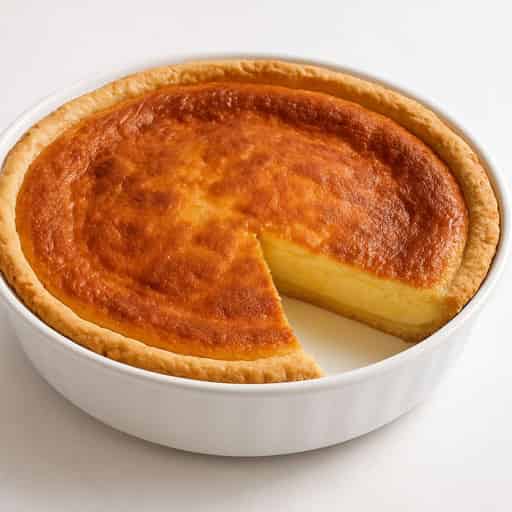
These orange cream Tropézienne brioche buns are an individual-pastry take on the Saint-Tropez dessert: pearl-sugar brioche buns split and filled with light orange diplomat cream. They are deliberately different from the broad, round vanilla Tarte Tropézienne already in the collection. Orange zest perfumes the cooked pastry cream, while folded whipped cream makes the filling airy enough to pipe.
The project has three useful stages: make the pastry cream so it can chill, mix and proof the rich brioche dough, then fill the cooled buns close to serving. Planning those handoffs makes the recipe practical for a weekend bake or special brunch without rushing the cream.
Why this orange Tropézienne works
Why this orange Tropézienne works
Orange zest is infused in the milk before it meets the egg yolks, so the citrus flavour is smooth rather than sharp. Cornstarch thickens the custard into a stable base, and butter adds shine. Once fully cold, folding in whipped cream turns it into diplomat cream: lighter than pastry cream but sturdy enough to sit inside a brioche bun.
The brioche is enriched enough to feel special, but its butter level remains manageable for home baking. It should feel supple and slightly tacky, not wet. Give it time to proof rather than adding extra flour; a well-risen bun stays soft after baking and cuts cleanly for filling.
Make the cream while the dough rises
Make the cream while the dough rises
Starting with the orange pastry cream is the simplest way to use the waiting time. Press baking paper directly onto its surface as soon as it is cooked so a skin cannot form, then chill it completely. Warm pastry cream will melt the whipped cream and leave a loose filling, so do not rush this stage.
The first brioche proof is the best time for the cream to begin cooling. After the buns bake, the cream should be cold enough to loosen briefly with a whisk before folding in the whipped cream. Stop folding as soon as the mixture is even; overworking it removes the air that gives diplomat cream its lift.
How to tell when the brioche is ready
How to tell when the brioche is ready
The dough is developed when it is smooth and elastic after the butter has been added. During the first proof it should roughly double in size. After shaping, the buns are ready for the oven when they look rounded and jiggly; a gentle press should spring back slowly.
Bake until the buns are evenly golden, not merely pale. Let them cool fully before slicing, because a warm crumb can compress under the knife and soften the cream. A serrated knife and gentle sawing motion keep the tops intact.
Make-ahead and storage
Make-ahead and storage
You can make the pastry cream a day ahead and keep it covered in the refrigerator. Baked, unfilled brioche buns keep airtight for one day or freeze well for up to one month. Thaw them completely before filling. Filled Tropézienne buns are best on the day they are assembled and should not be frozen.
Portion Guidance for Goals
Portion Guidance for Goals
Serve one filled bun as a dessert or special-occasion brunch portion. It is a rich pastry, so it works best as one planned treat rather than an everyday breakfast.
When to Eat
When to Eat
These buns are best served soon after filling for a celebration, weekend brunch, or shared dessert table.
Balance Tip
Balance Tip
Enjoy the bun after a balanced meal or alongside a lighter spread, and keep the rest of the day centred on regular meals with protein, vegetables, and fruit.
Nutrition Facts
Nutrition Facts
Serving Size: 1 filled bun
Calories 56028%
% Reference Intake*
Total Fat 29g41%
Saturated Fat 17g85%
Trans Fat 0g
Cholesterol 190mg
Sodium 300mg
Total Carbohydrates 63g24%
Dietary Fiber 2g
Sugars 25g28%
Protein 10g20%
* Reference intakes are based on an average adult's 8,400 kJ / 2,000 kcal diet. Your needs may be higher or lower.
FAQs
What makes these orange cream Tropézienne buns different?
They are individual brioche buns filled with orange diplomat cream. The existing vanilla Tarte Tropézienne is a larger, round brioche cake with a vanilla-led filling.
Can I make the components ahead?
Yes. Chill the orange pastry cream for up to 24 hours and keep the baked, unfilled buns airtight for one day. Whip and fold the cream, then fill the buns close to serving.
Can I freeze Tropézienne brioche buns?
Freeze the baked buns before filling for up to one month. Thaw at room temperature and fill only after they are completely cool.
Community Reviews
See how other home cooks made this recipe, then share your own experience.
4.8
4 ratings
5
75%
4
25%
3
0%
2
0%
1
0%
How would you rate this recipe?
Share your experience and help others.
Ana M.
· 22 Oct 2026I made the custard while the dough was rising and filled the buns before lunch.
Sophie
· 1 May 2026The individual buns were easy to serve and the orange cream felt distinct.
Leo
· 12 Dec 2025The stages made this manageable for a weekend bake, with bakery-style results.
Marie
· 2 Aug 2025The orange cream was fragrant and the brioche held a generous filling.
Create Your Own Recipe
Add your personal creations and build your own recipe collection.