Why Yogurt Changed This Apple Cake More Than Any Recipe
A closer look at the small technique choices that keep apple cake moist: why yogurt, ribbon stage, and warm butter deliver a tender, soft crumb every time.
Apple cakes often look perfect on day one and disappoint on day two. The fix is rarely a new recipe, but a set of quiet, precise choices that protect moisture without sacrificing structure.
Dek: This story breaks down the small technical decisions that turned a standard apple cake into a reliable, tender one. It is less about adding ingredients and more about understanding how texture is built and preserved.
Why Most Apple Cakes Lose Moisture So Quickly
Apples add juice, but they do not solve dryness on their own. Butter contributes richness, yet it does not guarantee softness, and overbaked crumbs tighten as they cool. When fat, liquid, and structure are out of balance, apple cakes look lush but age fast.
The French-Style Apple Yogurt Cake is built on the opposite idea: moisture is a method, not an afterthought.
The Quiet Role Yogurt Plays in a Moist Crumb
Yogurt is not there for tang; it is there for texture. It bridges melted butter and flour, buffering the batter so it bakes tender rather than dense. In this context, yogurt does what extra butter or milk cannot: it softens the crumb without making it feel heavy.
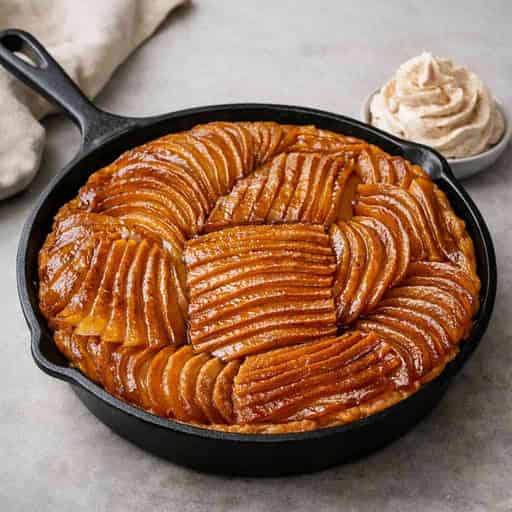
That same restraint is why it works in other fruit-forward bakes, like Cast Iron Apple Tarte Tatin, where fruit moisture is intense but the structure still matters.
Ribbon Stage Matters More Than People Think
Whipping eggs and sugar to a light ribbon creates lift, but it should stop short of sponge-cake territory. Over-whipping makes a cake that is airy at first and dry after cooling. The goal is a tender crumb that holds moisture, not a lofty one that sheds it.
Butter Temperature Is a Structural Decision, Not a Detail
Melted butter behaves best around 40-45C, warm enough to emulsify but not hot enough to deflate the foam. Too cool and it streaks, too hot and it collapses structure. That small temperature window quietly determines whether the batter bakes smooth or grainy.
Apples Behave Better When You Let Them Rest First
A short rest with a little sugar lets apples release moisture on their own terms. That means fewer wet pockets and more jammy slices on top, where they caramelize rather than sink. It is the difference between a glossy layer and a damp center.
Why Sugar in the Pan Changed the Edges of the Cake
Flour keeps a cake from sticking, but it can dry the perimeter. Sugar, on the other hand, protects the edges while creating a thin, caramelized crust. It is a small French choice that makes the rim taste as tender as the middle.
Slow Baking Is What Holds Everything Together
Lower heat gives the batter time to set before the apples over-soften, and it avoids the brittle crumb that hot ovens can create. The internal carryover finish is gentler, which is why the cake feels better after it has cooled.
What This Cake Gets Right Without Trying to Impress
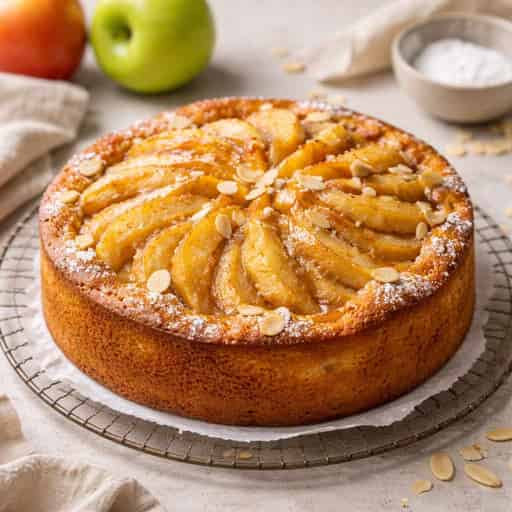
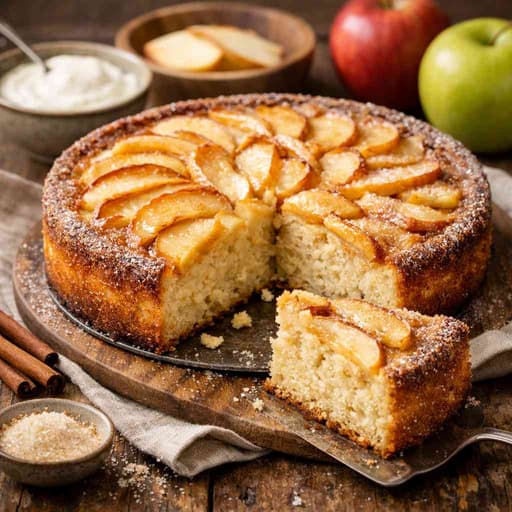
The finished texture is even and soft, with apples that are jammy rather than wet. It tastes composed and calm, the way classic bakes often do. A day later, the crumb holds its shape and moisture, which is why it feels better than it looks.
If you want another example of a simple bake that rewards restraint, Old-Fashioned Apple Tart With Almond Brioche follows the same idea: fewer tricks, more control.
Closing Insight
Better baking often comes from listening to what the batter needs, not from adding more. Small, deliberate choices outlast flashy recipes, and they can transform the simplest cakes into the ones people remember.
Related recipes